




























































1MG FlippingBooks
Agribusiness chief warns of red tape dangers
Endless compliance is undermining productivity and imposing a human cost on businesses, Countrywide Engineering’s Tom Grigg warns.
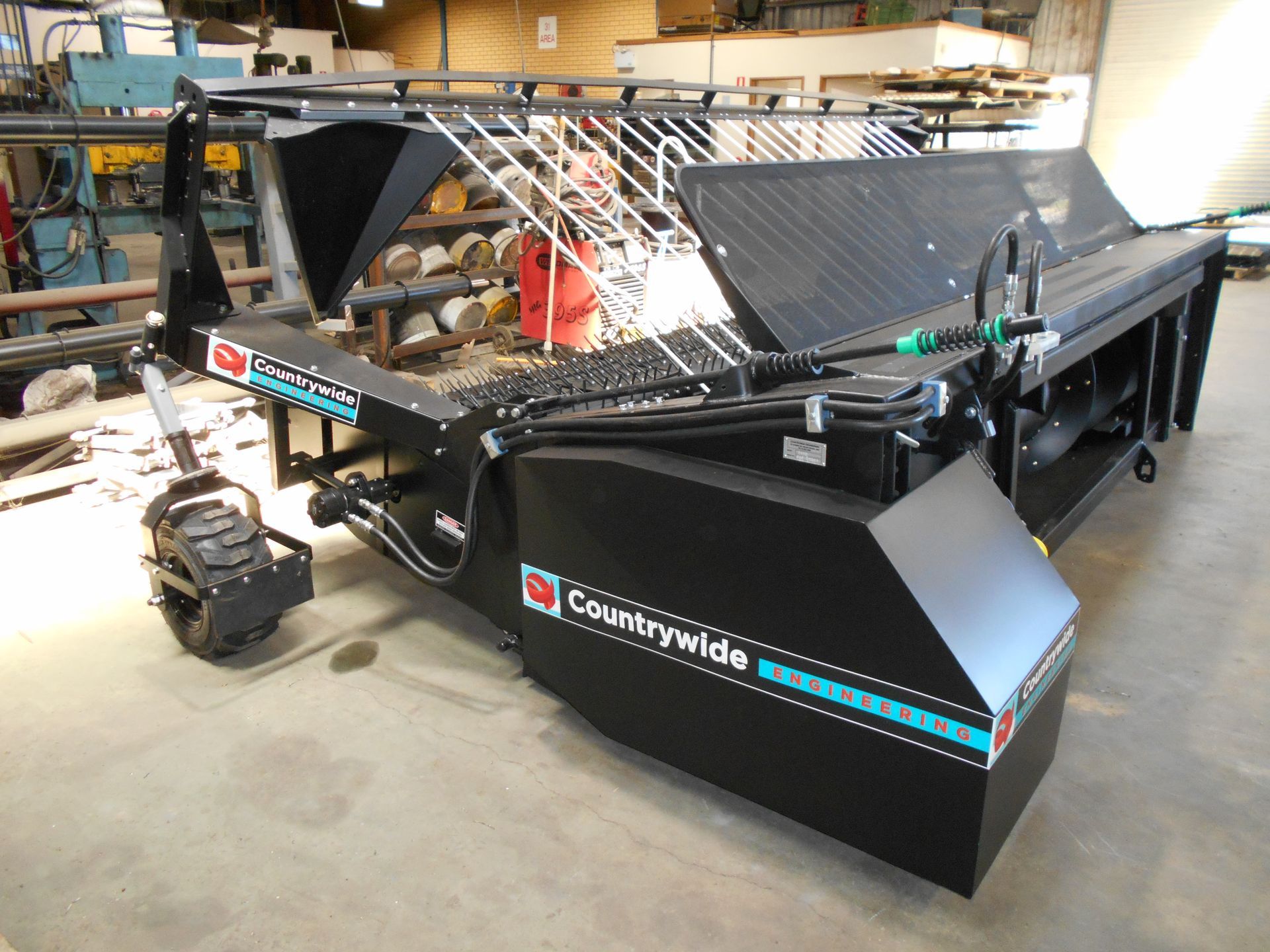
The constant pressure to comply with endless government rules and regulations is imposing a huge financial and human cost on the rural industry, especially local manufacturing of agricultural machinery, according to a leading Wagga Wagga agribusiness owner.
Head of Countrywide Engineering Tom Grigg says he has watched with alarm as compliance requirements have skyrocketed in Australia in the last decade.
“There’s a never-ending requirement to fill in forms and tick boxes, much of which seems unnecessary and counterproductive,” he says. “It’s made everybody overly risk-averse, which is not favourable to a dynamic workplace.”
Mr Grigg points to findings by the Institute of Public Affairs (IPA) that the number of federal government employees in regulatory roles had almost reached 100,000. IPA research fellow Lachlan Clark said red tape at the federal level had increased by 88 per cent, growing at a rate two-thirds greater than the overall growth in the national economy since 2005.
“Compliance is a growth industry,” Mr Grigg says. “There are more people involved in compliance than people doing the work.”
Research by George Mason University’s Mercatus Centre, near Washington DC, found that the number of regulatory restrictions in Australian federal laws exceeded a third of a million, a record level.
“The more time that businesses have to spend filling out forms, applying for permits, sometimes duplicated permits, the less time they have to provide the key household goods and services that everyday Australians need,” IPA research fellow Saxon Davidson says.
“We’ve seen the price of services and goods skyrocket in the last 18 to 24 months and we cannot drive down those prices if businesses are being burdened by a record level of red tape at both the state and the federal level in every state across the country.”
Mr Grigg says apart from the debilitating business costs, he is concerned with the human costs of what many consider out of control regulation. “The rules question your own integrity, judgment, and sense of responsibility,” he says. “We're guilty until proved innocent. The right balance is no longer there”
“It’s as if we don’t know how to look after ourselves and our employees. Our sense of personal control is damaged. The impact is degrading.”
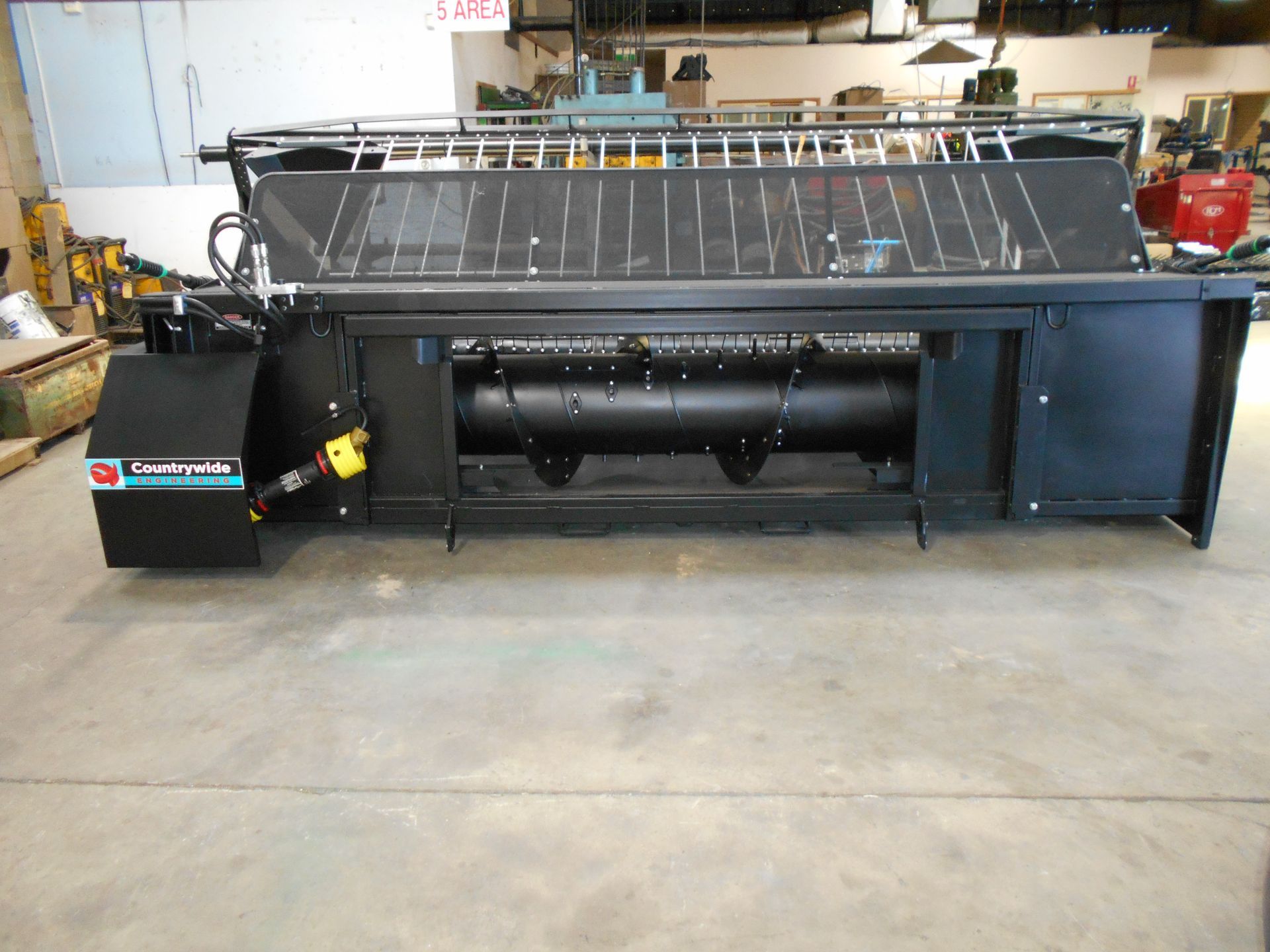
Countrywide Engineering manufactures steel structures and agricultural machinery as well as equipment used in telecommunications and aviation. Like any manufacturer, costs of materials and other inputs are high as is labour – hence, all overheads need to be monitored closely to ensure reasonable margins.
Mr Grigg says he sees the impact of government rules and regulation across Countrywide’s operations.
“Recently a minor construction project in Canberra was delayed by extended site safety officer checks on our equipment and then a repeat of the exercise on a locally-hired crane,” he says . “It slowed down a simple and non-dangerous job needlessly.”
Mr Grigg fears that major national projects are affected by the mindset of regulation.
“Everything ends up being over-engineered. It destroys our competitiveness internationally. It affects our country’s economic sovereignty.”
Company website: www.countrywideengineering.com.au/
Company email:
tomg@cweng.com.au
NEWS

High-precision GNSS has typically been too costly and complex for all but the most critical agricultural operations, but recent RTK GNSS innovations have made centimetre accuracy scalable to all applications in Ag-Tech.

Every Aussie farmer knows that the difference between a “good” crop and a “record-breaking” one often come down to the smallest details. At BioFlora, we’ve spent years perfecting the balance of plant nutrition, and the result is IsoGreen – our powerhouse liquid formula designed to push your yields and crop taste to their absolute peak.

Plant, spray and harvest with confidence using reliable centimetre level positioning. Hexagon SmartNet provides fast, accurate RTK corrections across Australia to reduce overlaps, lower input costs and maximise productivity. With no base station required, simply connect, get a fix and get to work.

Built for the demand of Aussie farmers. Designed for every day performance.
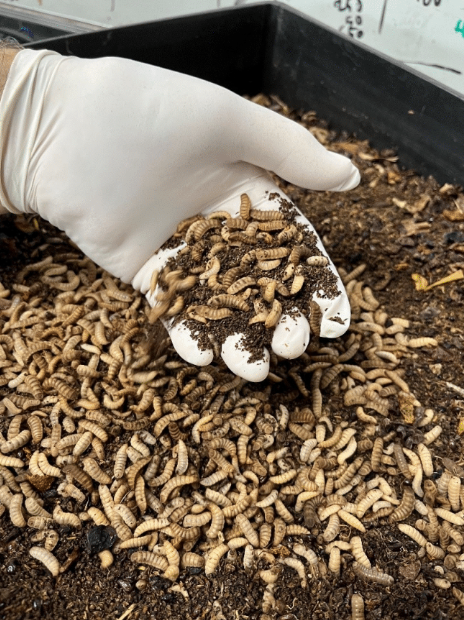
They’re wriggly black grubs more commonly tossed to backyard hens than served at the dinner table, but black soldier fly larvae could soon play a key role in building a more sustainable food system, according to new research from Adelaide University.
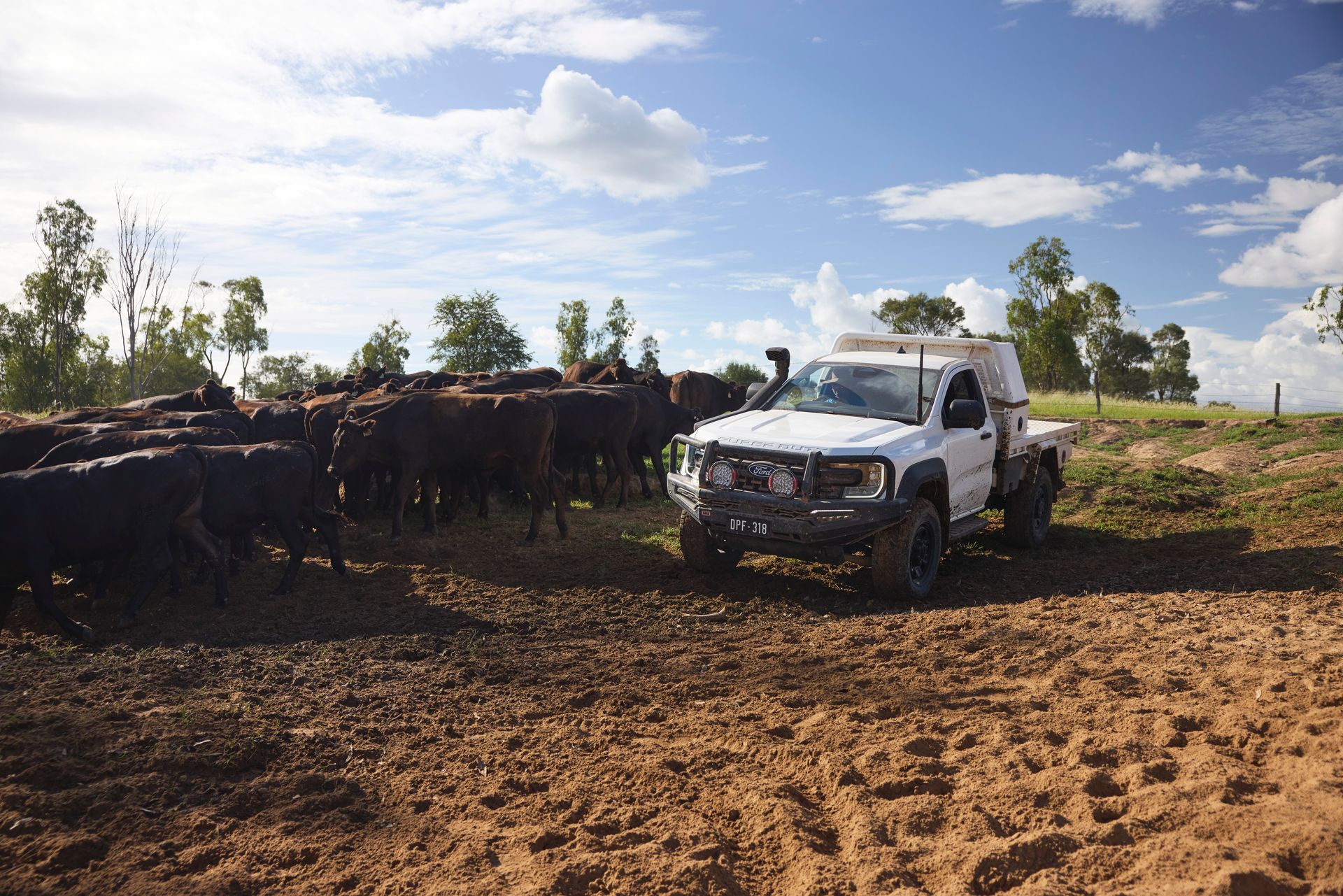
After four years of customer research and 500,000 test kilometres, Ford says the Ranger Super Duty brings farmer-driven customisation into the factory, with more towing, payload, and durability built in.