



























































1MG FlippingBooks
CSIRO facility targeting $100bn goal with agtech
Alex Chance
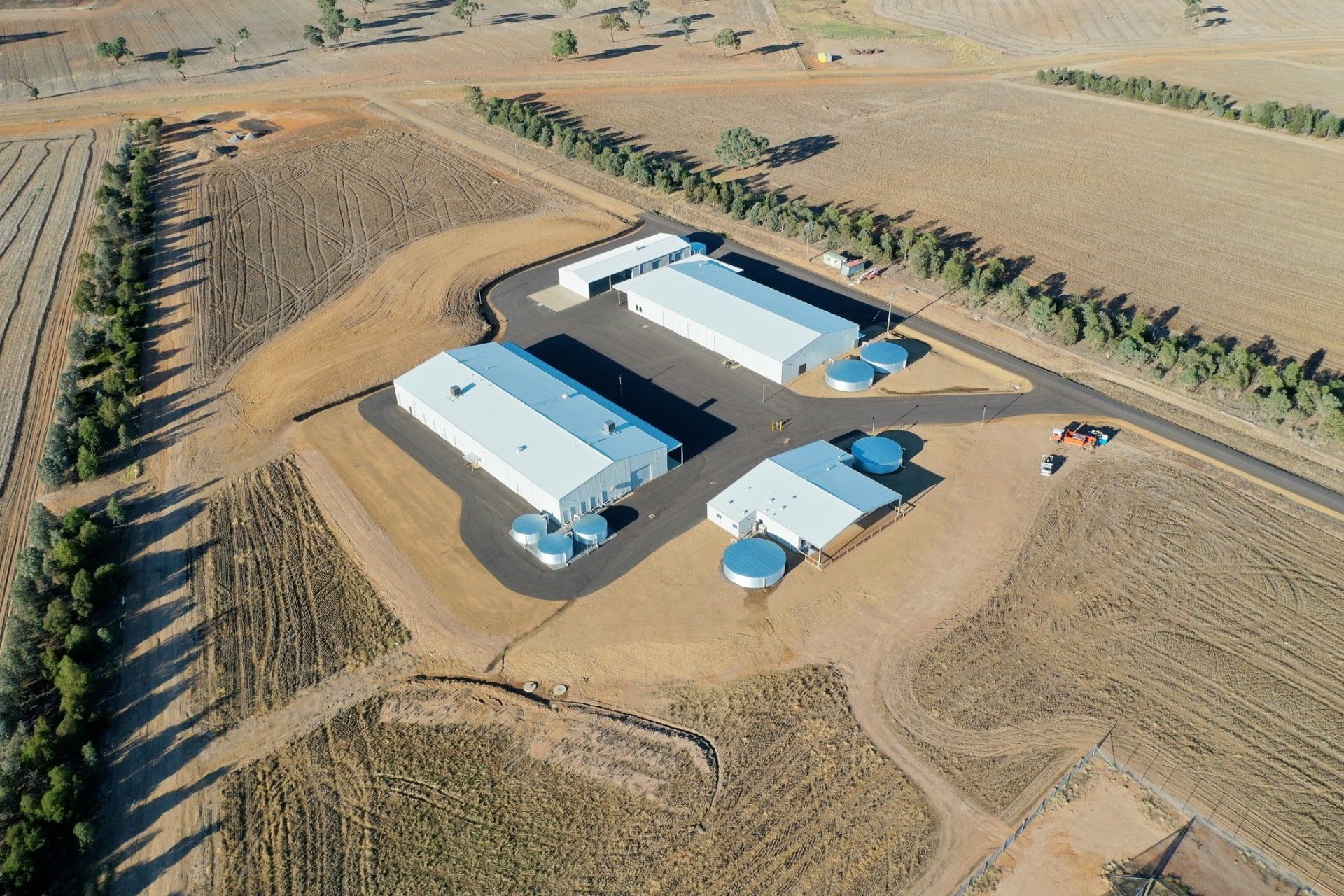
CSIRO scientists are using drones, remote monitoring, and advanced data analytics to increase food production, improve nutritional values, and address drought at a new facility in NSW.
The $11.5m, 290-hectare research station opened today in Boorowa, after four years of construction, replacing the 61-year-old Ginninderra Experimental Station in Canberra, and will assist Australians in growing agriculture to hit a $100bn valuation by 2030.
“We'll be trialling new varieties of wheat, canola, legumes and pastures that can withstand warmer and drier conditions, such as those predicted for the future,” said CSIRO Director of Agriculture and Food, Dr Michiel van Lookeren Campagne.
"We'll also continue to research the best farming practices to manage our fragile soils and get the most from every drop of water.”
The farm in southwestern NSW is equipped with 100 temperature and humidity probes, 72 soil moisture probes, and six weather stations to monitor experiments in crop science, agronomy and farming systems.
With the facility, CSIRO says it will be able to better understand how plants grow and how soil changes in real farming environments.
The National Farmers’ Federation wants to lift the sector’s projected value from $84bn in 2030 to $100bn, but warned in its October Report Card that this strategy will fail without more government action on granting agricultural visas, energy policy, and internet connectivity.
The station was supported by the Commonwealth’s Grains Research and Development Corporation — which invests in R&D to improve production, sustainability and profitability across the Australian grains industry — and the Science and Industry Endowment Fund.
The future of the underutilised, 701-hectare CSIRO Ginninderra site is unclear. Last week, Australia’s peak science agency planted 1000 Red Gum seedlings to better understand how native species can adapt to climate change.
CSIRO says it has also commenced consultations to identify interest in a “sustainable urban development informed by science and innovation,” given residential properties have surrounded the area over its 60-year life.
NEWS
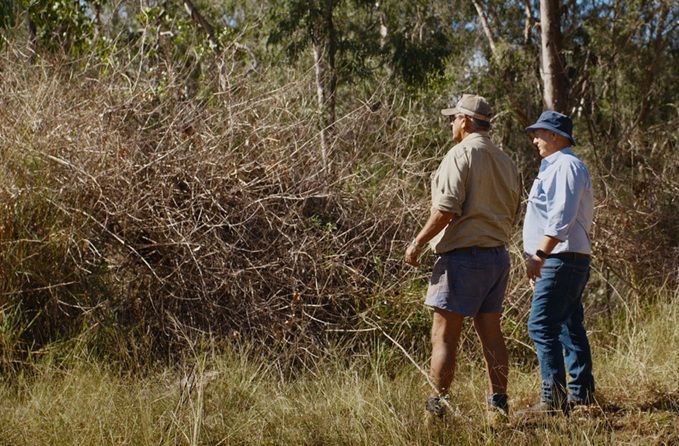
Invasive woody weeds steal your pasture. Method helps you take it back.
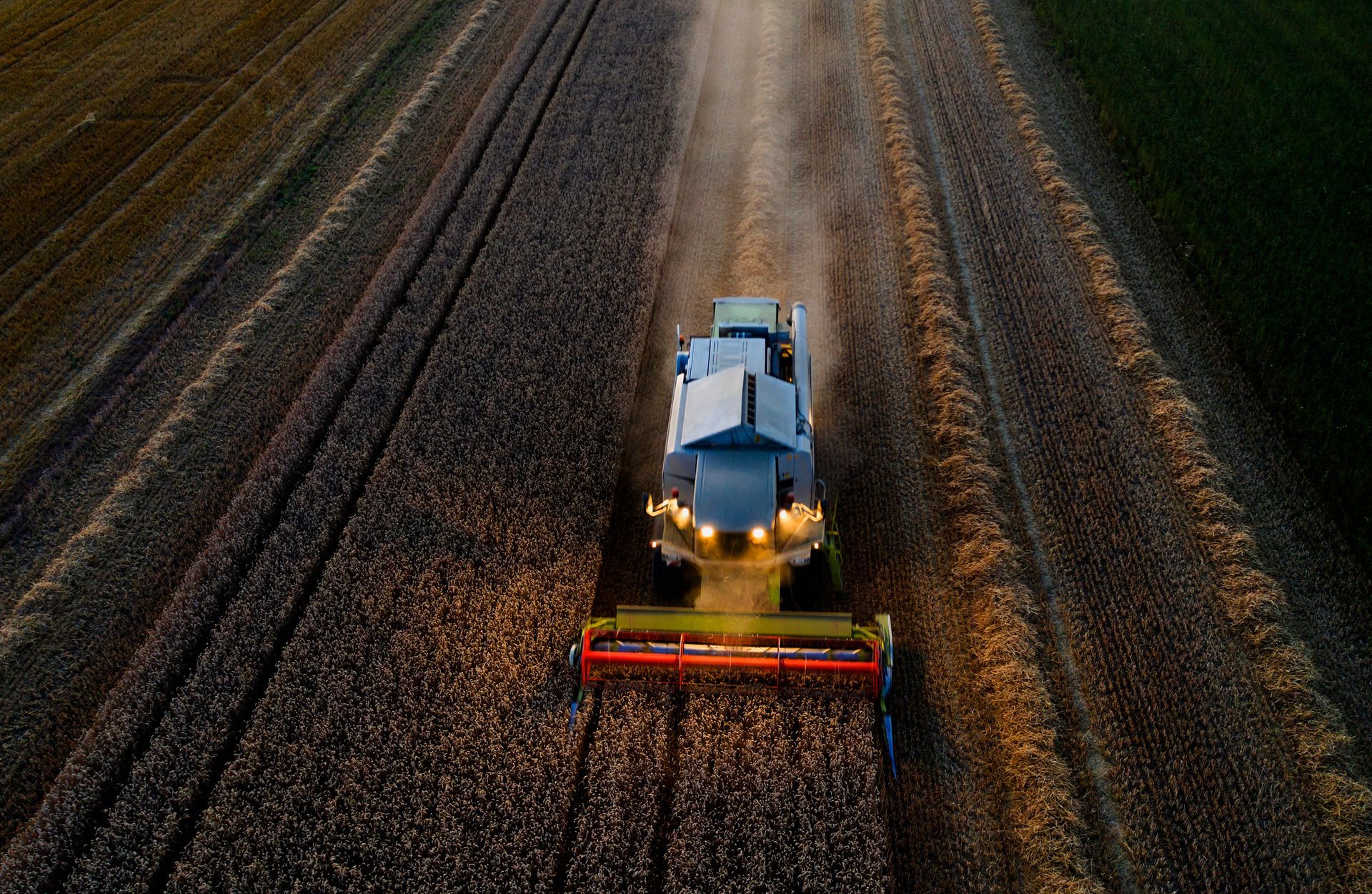
High-precision GNSS has typically been too costly and complex for all but the most critical agricultural operations, but recent RTK GNSS innovations have made centimetre accuracy scalable to all applications in Ag-Tech.
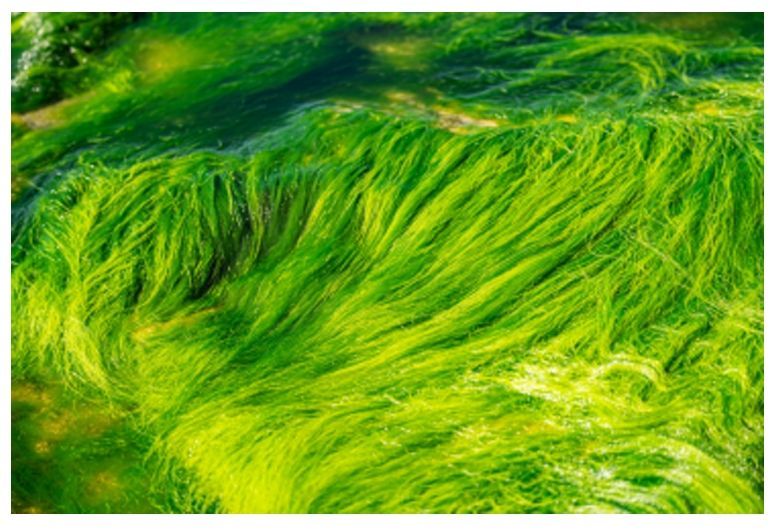
Every Aussie farmer knows that the difference between a “good” crop and a “record-breaking” one often come down to the smallest details. At BioFlora, we’ve spent years perfecting the balance of plant nutrition, and the result is IsoGreen – our powerhouse liquid formula designed to push your yields and crop taste to their absolute peak.

Plant, spray and harvest with confidence using reliable centimetre level positioning. Hexagon SmartNet provides fast, accurate RTK corrections across Australia to reduce overlaps, lower input costs and maximise productivity. With no base station required, simply connect, get a fix and get to work.

Built for the demand of Aussie farmers. Designed for every day performance.
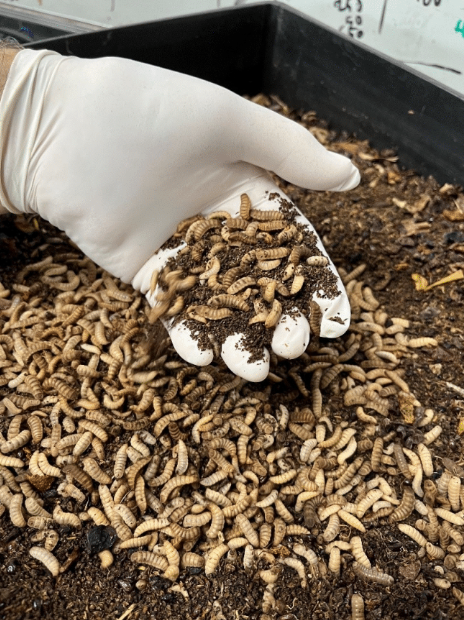
They’re wriggly black grubs more commonly tossed to backyard hens than served at the dinner table, but black soldier fly larvae could soon play a key role in building a more sustainable food system, according to new research from Adelaide University.