





















































1MG FlippingBooks
Cultivating agribusiness success through the workforce
On a drive through Western NSW at the height of the early 2000s drought, Geoff Lucas saw many farms devastated by the lack of rain. Some, however, were still flourishing. What was the difference? “It had to do with people,” he says.

Geoff Lucas learned a key lesson during the early years of his career in the agricultural sector, working in countries such as Libya and Iraq. Failure in agriculture, he found, has more to do with people than with drought, pestilence, flood, commodity prices, or anything else.
While this could be said of many businesses, Geoff says there is a difference when employing people for agriculture: it's all about the cultural fit of the individual, and even their family. If they don't hold the same values, it's not going to work out.
Geoff is the managing director of The Lucas Group, Australia’s leading agriculture and primary production recruitment specialists. The company works with the agricultural industry to find the right permanent staff for open roles, from on-farm managers to industry body CEOs. Their process, he explains, involves a thorough selection screening, saving clients time and money in the recruitment and retention of staff.
"We have a rigorous search process," says Geoff. "We ensure that with all the details we get from our clients, we can create comprehensive documentation, including position and person profiles with defined selection criteria."
It's this thoroughness that has ensured The Lucas Group's success for over 30 years. The company recognises the importance of details and cultural matches. If, for example, a prospective employee’s partner runs their own online business, is there adequate internet service in the area? If they are expecting a baby, is the property a long way from the nearest hospital?
The selection process involves a formal interview to ascertain not only a person’s skills but their values and personality. Referees are also thoroughly interviewed, with a summary provided to the client.
The structured recruitment process ensures a cultural match between a prospective employee and their new employer, while the dual promotion and search process provides a wide breadth of candidates. The Lucas Group furthers their dedication to the people of agriculture by providing a guarantee on the new employee and reviewing the success of the placement.
The COVID-19 pandemic exposed the inadequacy of Australia’s agricultural workforce. According to ABARES, around 17 per cent of Australian horticulture farms that experienced crop loss in 2021–22 reported that a lack of labour was one of the primary causes for the loss. "People are the linchpin of agriculture," notes Geoff. "Our team knows this which is why we strive to ensure the ongoing strength of our industry through its people."
The Lucas Group is based in Adelaide and operates nationally, even running some international projects. They boast a network of around 300,000 agribusiness contacts.
Website: Click here
Email: resume@lucasgroup.com.au
NEWS
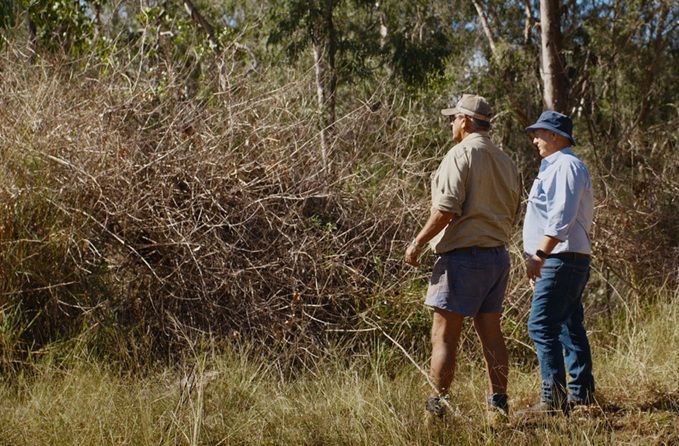
Invasive woody weeds steal your pasture. Method helps you take it back.

High-precision GNSS has typically been too costly and complex for all but the most critical agricultural operations, but recent RTK GNSS innovations have made centimetre accuracy scalable to all applications in Ag-Tech.
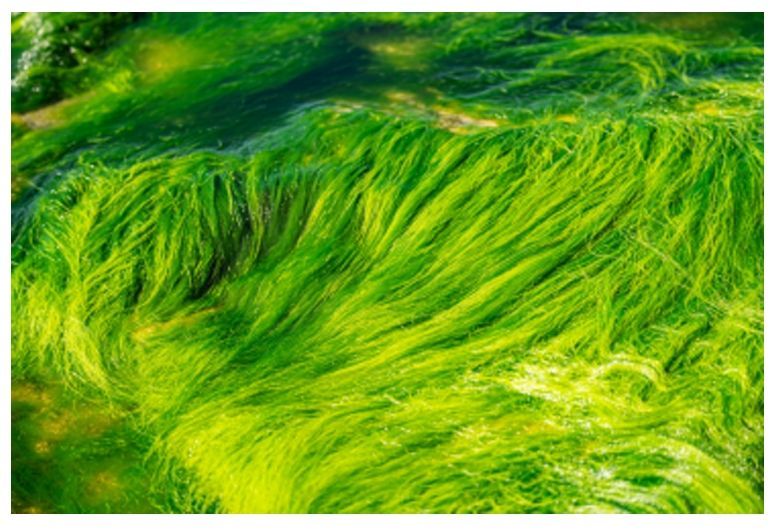
Every Aussie farmer knows that the difference between a “good” crop and a “record-breaking” one often come down to the smallest details. At BioFlora, we’ve spent years perfecting the balance of plant nutrition, and the result is IsoGreen – our powerhouse liquid formula designed to push your yields and crop taste to their absolute peak.

Plant, spray and harvest with confidence using reliable centimetre level positioning. Hexagon SmartNet provides fast, accurate RTK corrections across Australia to reduce overlaps, lower input costs and maximise productivity. With no base station required, simply connect, get a fix and get to work.

Built for the demand of Aussie farmers. Designed for every day performance.
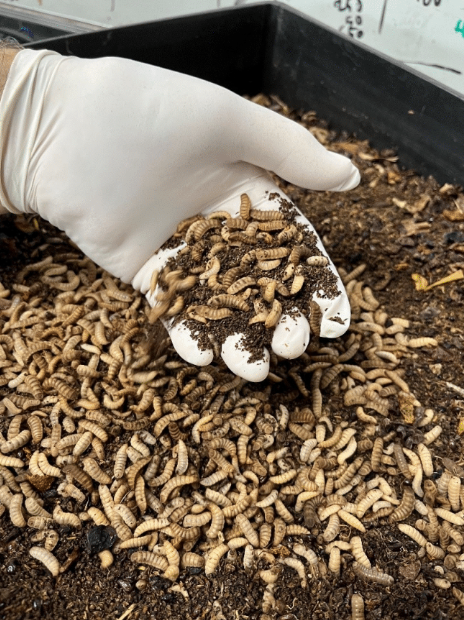
They’re wriggly black grubs more commonly tossed to backyard hens than served at the dinner table, but black soldier fly larvae could soon play a key role in building a more sustainable food system, according to new research from Adelaide University.