






1MG FlippingBooks
Data platform to allow for greater understanding of crop yield
Elizabeth Gracie
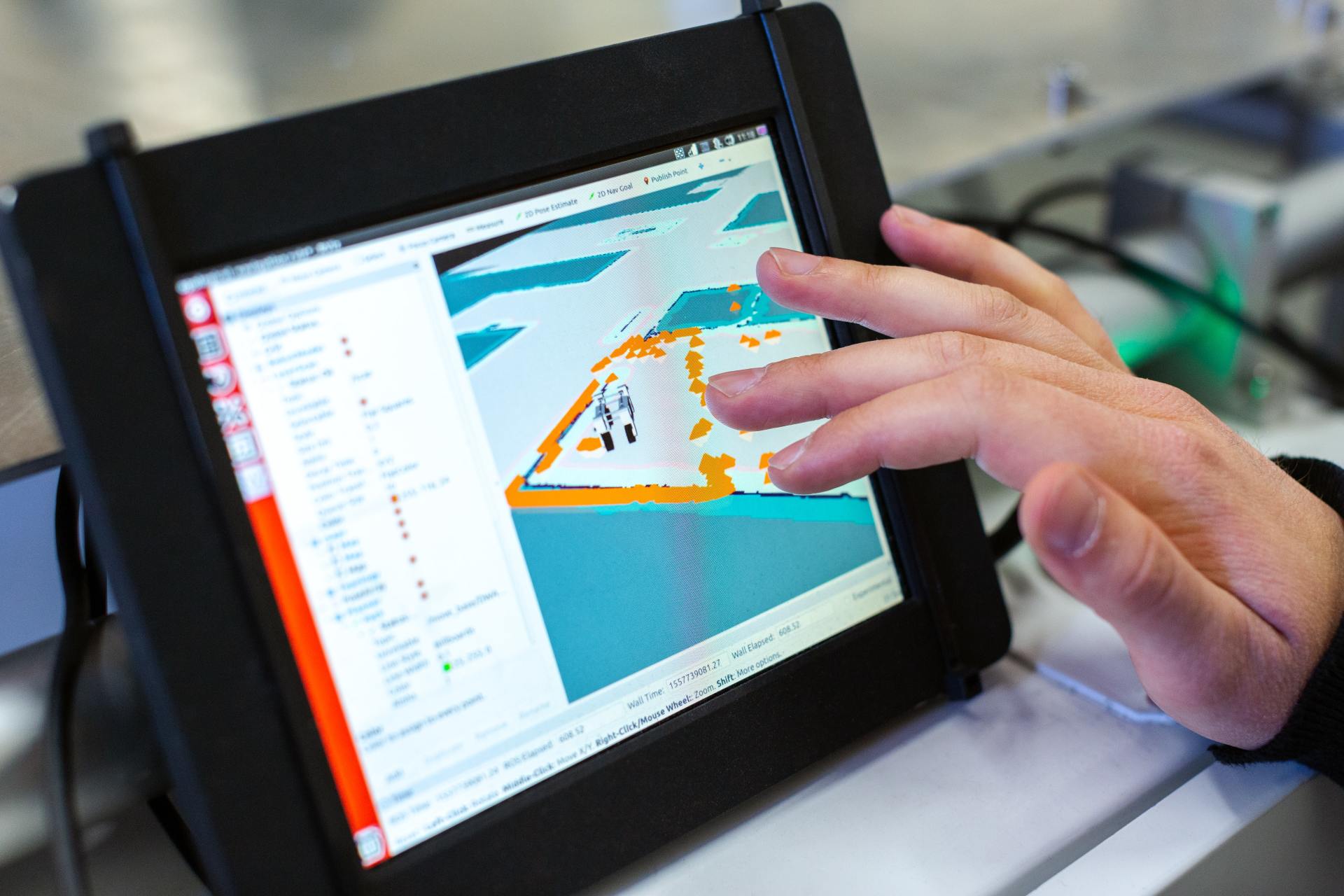
A new ground-based field phenotyping platform will provide farmers across the country with the ability to measure the performance of their crops in challenging field conditions over an extended period of time.
Plant phenomics is the study of plant growth, performance and composition. The creators of the platform contend that the design is a world first.
The Field Explorer was originally developed alongside Crop Traits and phenotyping systems creation company PhenoKey by the Plant Accelerator, the Australian Plant Phenomics Facility (APPF) at the University of Adelaide.
Dr Darren Plett, APPF’s Technology and Development Lead said that “the Field Explorer is a true turnkey platform, taking plant phenomics to the paddock”.
The Field Explorer uses hydraulically operated high-resolution imaging that allows for concise and consistent data collection across the day regardless of weather conditions.
According to the University of Adelaide, “The FieldExplorer combines LiDAR, a laser version of radar/sonar enabling 3D reconstruction of a plant canopy and used for biomass estimates, with visible near-infrared (VNIR) and short wave infrared (SWIR) hyperspectral imaging and high-resolution RGB imaging”.
RBG imaging is most commonly used for visual trait measurement which can include visual assessments of plant disease.
The VNIR and SWIR technologies will further operate symbiotically to measure the plants invisible traits which include photosynthetic parameters, plant nutrient status and disease symptoms.
APPF Executive Director Susie Robinson said that she expects that there will be strong demand for The Field Explorer that will range from researchers to farmers to crop breeding companies.
“The features the Field Explorer delivers gives us even greater ability to measure critical information about crop growth and health in crop field trials that will contribute to informed decision making on how to improve varieties of crops to increase food production,” said Robinson.
Perhaps the most exciting feature of The Field Explorer is its advanced software platform which is capable of pulling together sophisticated imaging data from a variety for sensors and subsequently fusing the results at a pixel level, resulting in ultra-rich, ultra-clear 3D data sets for farmers to assess and instigate change if needed.
The Field Explorer will continue to be based at the APPF’s The Plant Accelerator node for the remainder of 2020 but will be available for hire in 2021.
NEWS

Barko Security is bringing drone technology to agriculture while building on a decade of security and a lifetime of agricultural know-how.

As climate challenges intensify, G2 Netting Group is redefining crop protection through science-led innovation, combining design, engineering, and sustainability to help Australian growers conserve water and thrive.
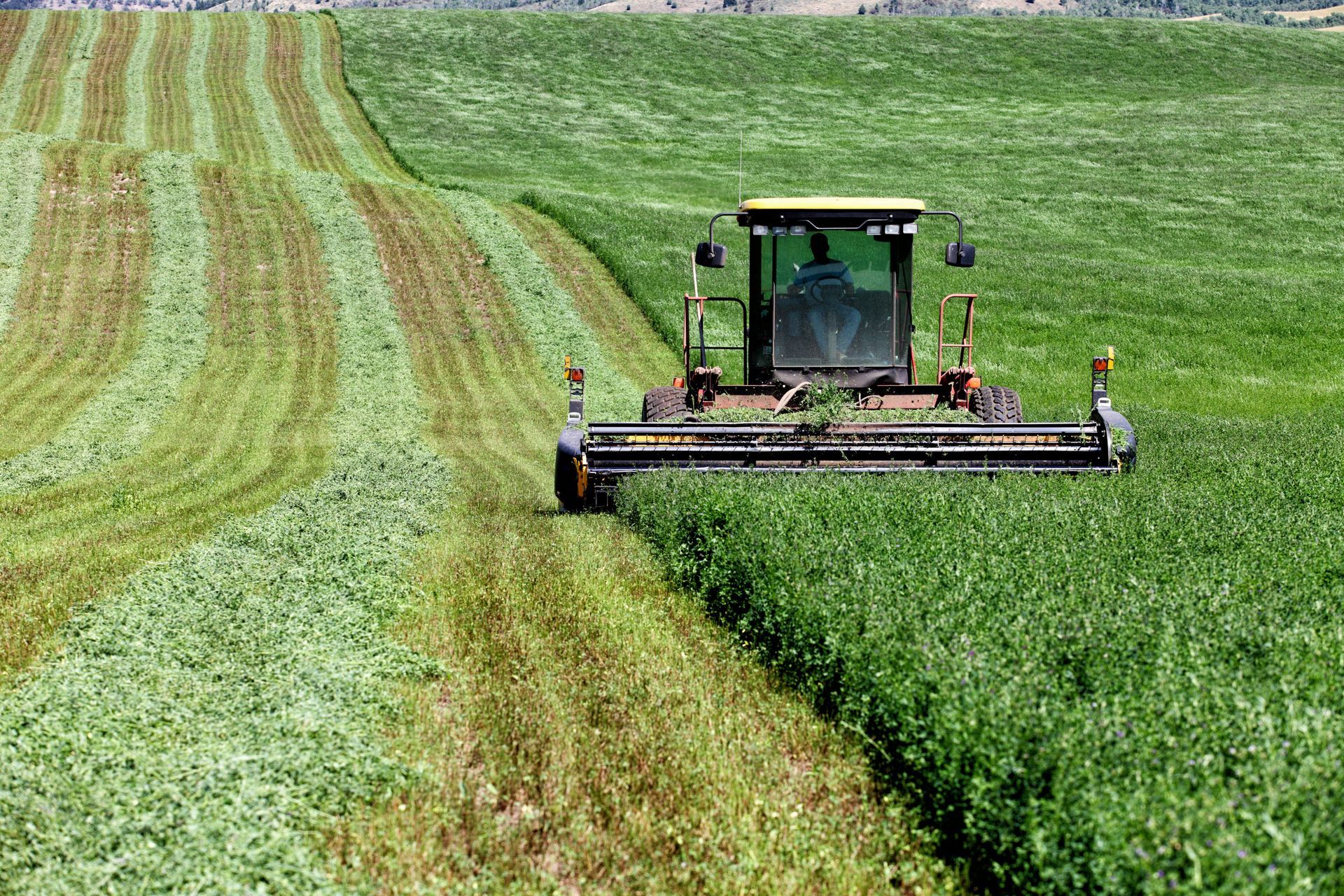
Queensland-based Earthlife has spent nearly three decades helping farmers and gardeners unlock healthier soils. Their natural microbial–mineral blends support sustainable practices, improve yields, and build resilience against droughts, pests, and climate extremes.
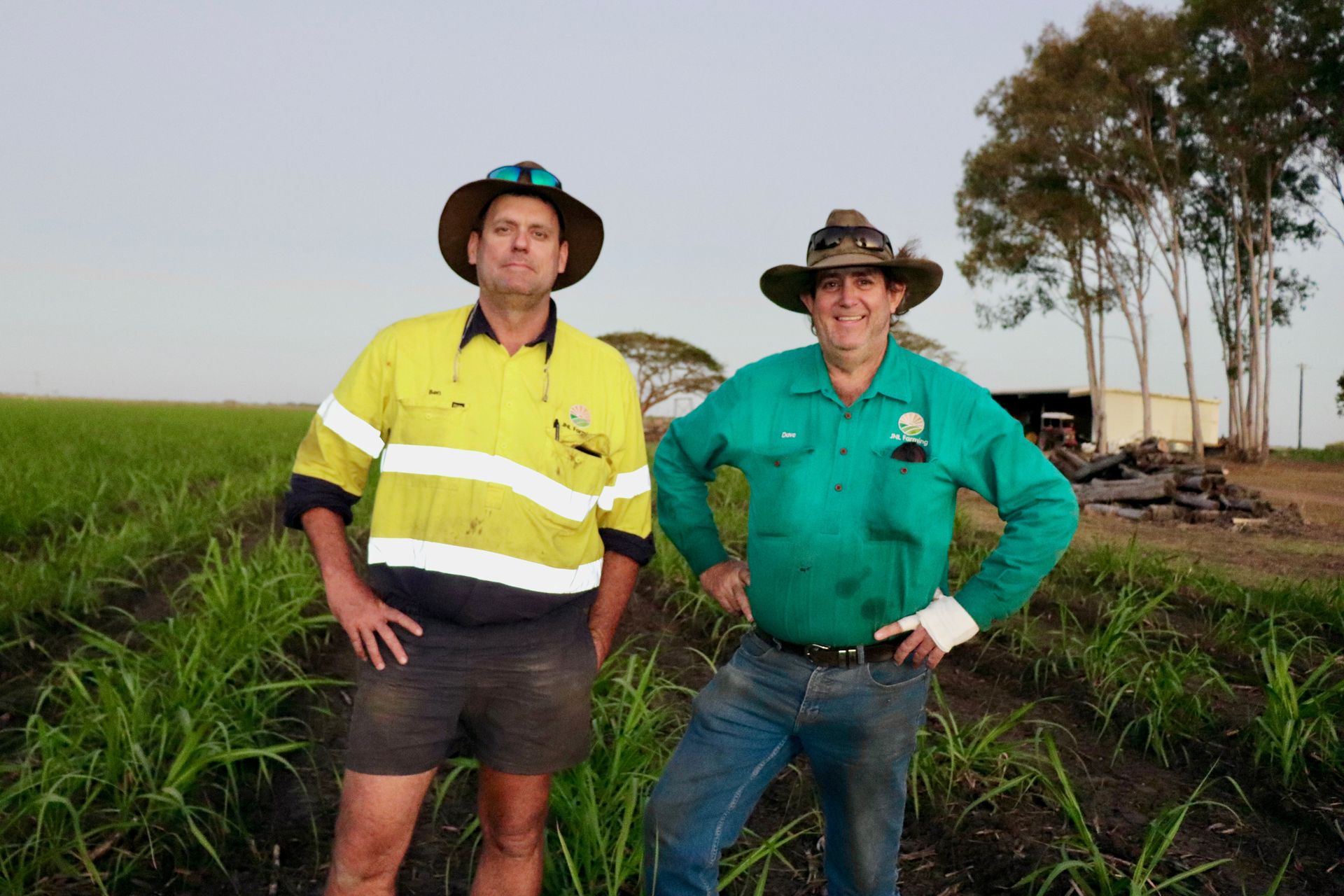
With a family legacy of more than 100 years of growing sugarcane to draw on, fourth-generation producer Ben Nielson of JNL Farming Company Pty Ltd, in Far North Queensland’s Burdekin knows what it takes to get the best out of his crop.
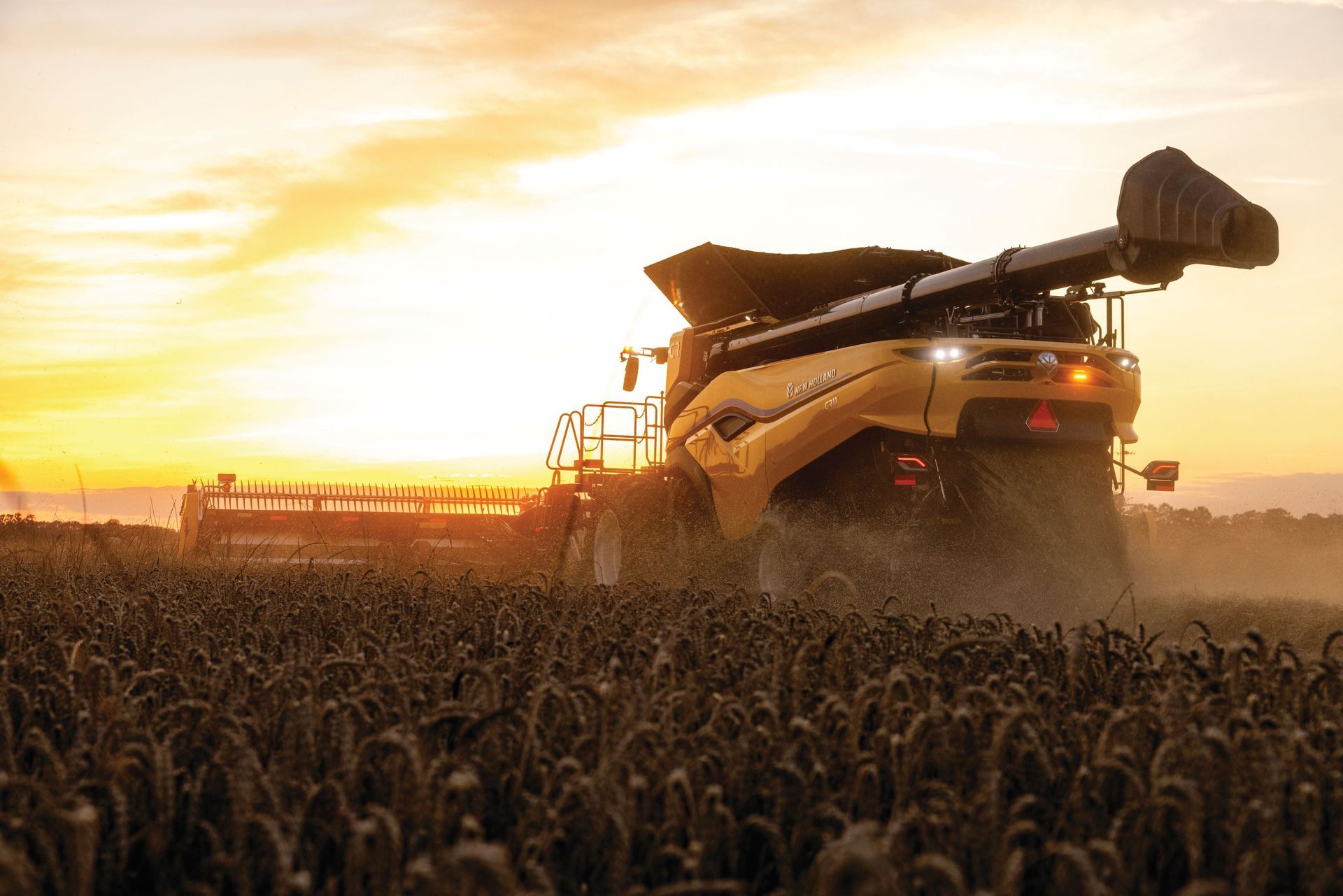
2025 marks 50 years since TR70 model launched in 1975. Since this time, New Holland has led industry innovation in combine technology with: The first self-leveling cleaning system on a rotary combine in 2002 Breaking the 8-hour wheat harvest world record in 2014 The latest CR10 and CR11 twin rotor combines entering production in 2025
High-precision GNSS was too costly and complex but RTK GNSS innovations have made centimetre accuracy sustainable in Ag-Tech.
