





















































1MG FlippingBooks
Farming for the next generation
Jessica Guttridge
Regenerative Farming conference at Western Australia will give farmers the opportunity to hear from the State’s best on conservational farming
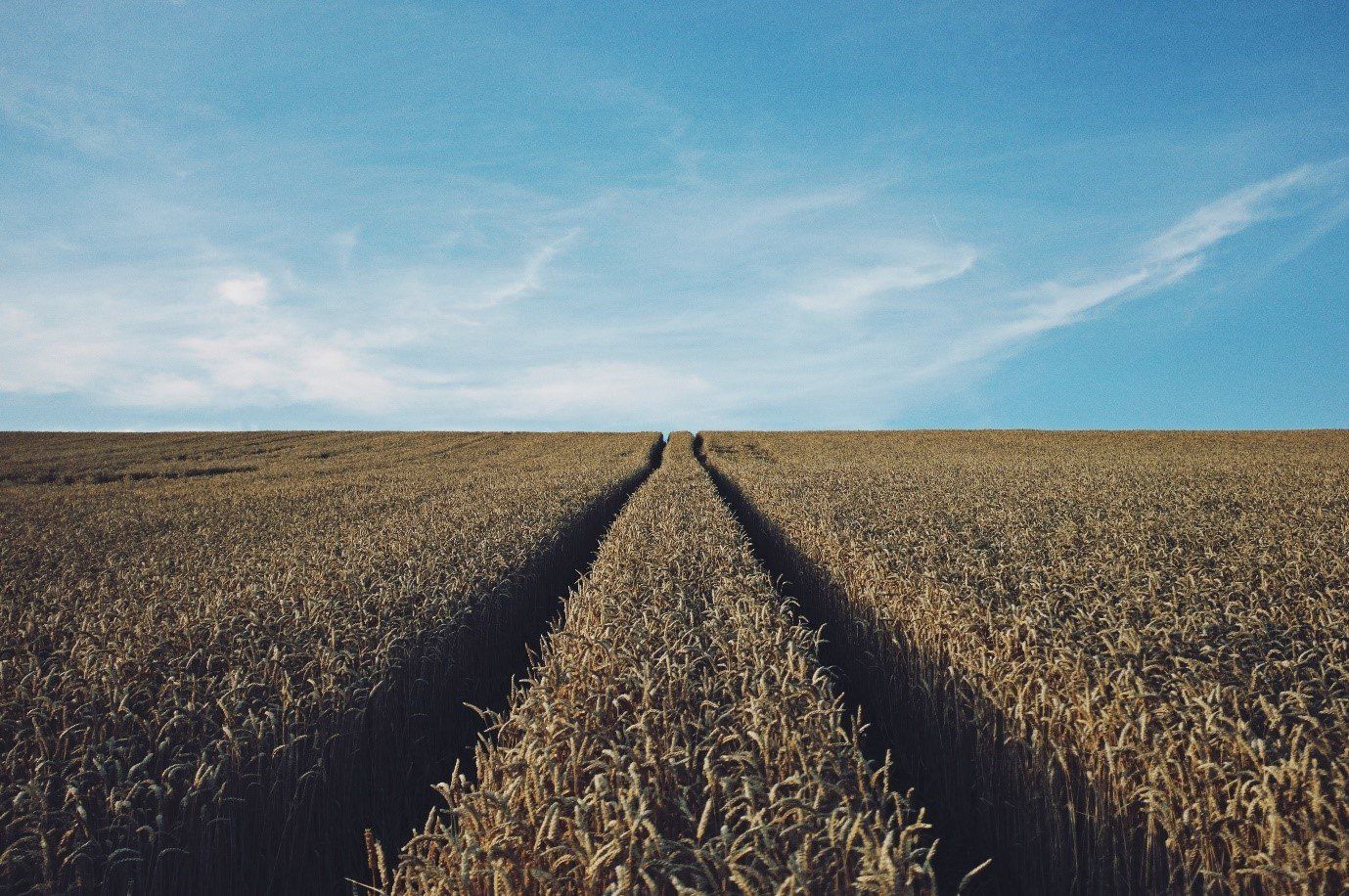
Regenerative experts are gathering at Western Australia to encourage and support farmers changing their methods to keep more carbon in the soil so that it can still be viable for future generations.
Regenerative agriculture practices are conservation and rehabilitation approaches to farming that are becoming increasingly popular, with benefits such as enriching the soil, increasing biodiversity and reducing the carbon footprint.
The inaugural Regenerative Agriculture Conference will bring together a cross section of food industry stakeholders, including regenerative agriculture practitioners, researchers, government agencies and the investment sector with the specific goal of progressing a food secure future for all West Australians.
RegenWA and Perth NRM are presenting the conference, with a goal to ‘examine and further the business case for investment in regenerative agricultural practices as a strategic means of meeting the demand for safe, healthy, locally produced food as the State’s population doubles by 2050.’
Dianne Haggerty, Co-chair of The RegenWA Steering Committee, manages approximately 18,000 hectares of mixed farming operations using regenerative farming principles with her husband, which they share with other food producers globally.
“Farmers around the world are sharing their successes with regenerative agriculture, and the benefits to the land, in terms of increased carbon sequestration and a reduced need for artificial inputs, are compelling arguments in their own right,” says Haggerty.
“This conference is not so much about promoting regenerative farming as it is building a business case to support everyone throughout the food supply chain to transition to resilient food systems and ensuring healthy food outcomes for the people of Western Australia and the globe.”
The conference will be opened by the Hon Alannah MacTiernan MLC and include esteemed speakers such as Dr Charles Massy BSc PhD OAM (farmer, author) and Terry McCosker (Resource Consulting Services. A list of all the speakers is on the website.
A workshop at the conference will allow the assembly to share their ideas for the future of food system, the role of regenerative agriculture and strategic investment toward meeting the State’s future challenges.
Through Regional Landcare Program (RLP), a Government agency, Perth NRM has funding to develop a food security plan for Western Australia.
Perth NRM has also helped identify leading regenerative farmers in Western Australia who are driving the direction of RegenWA.
Perth NRM CEO Paul Bodlovich says that the conference, and initiatives like it, will be essential in meeting the many future challenges faced by West Australians by finite, and sometimes degraded, landscapes and the increased population growth anticipated by all levels of Government.
The inaugural Regenerative Agriculture Conference will take place at Optus Stadium, Burswood on September 11. Prices start from $195.
NEWS
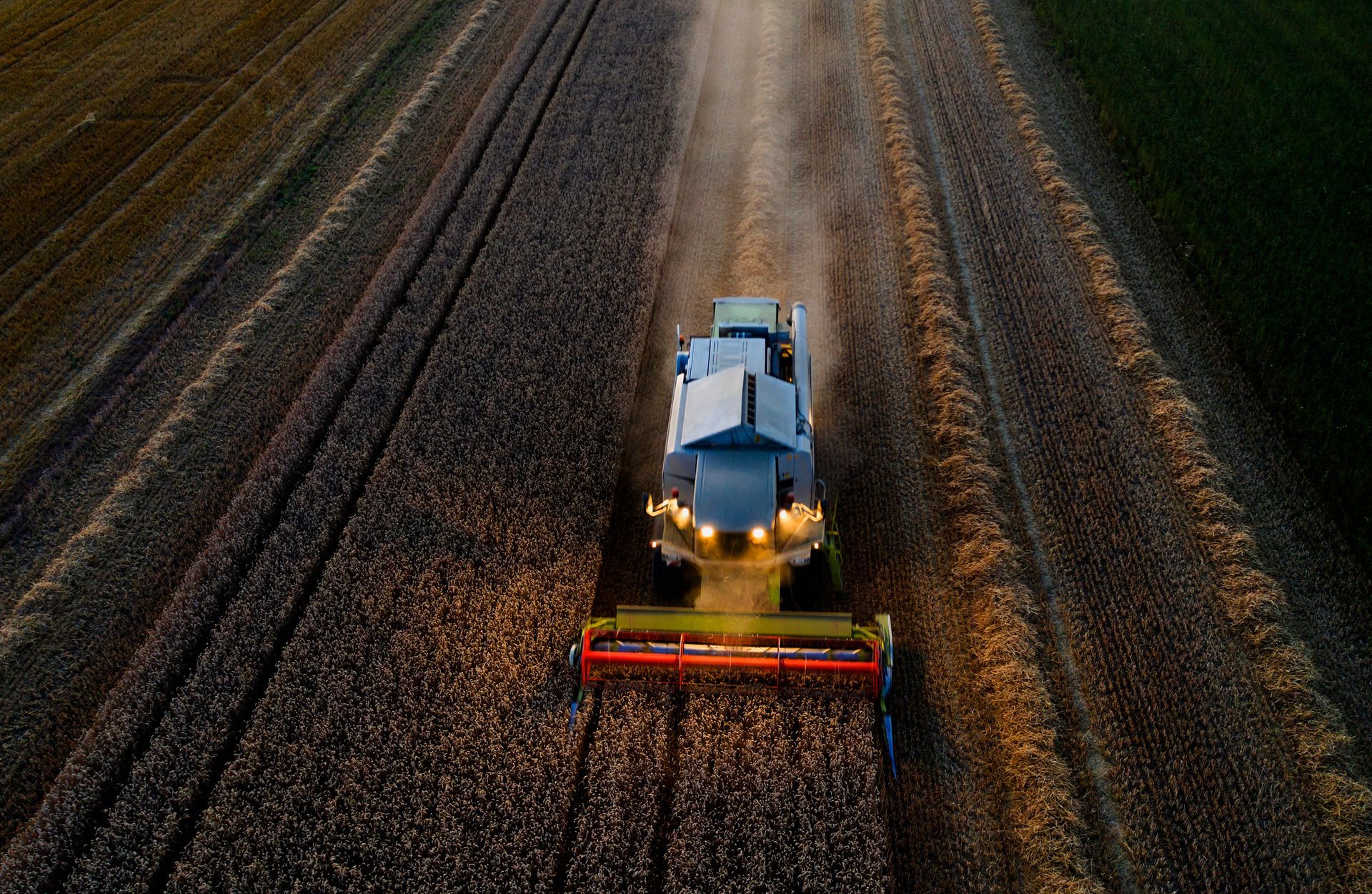
High-precision GNSS has typically been too costly and complex for all but the most critical agricultural operations, but recent RTK GNSS innovations have made centimetre accuracy scalable to all applications in Ag-Tech.
Every Aussie farmer knows that the difference between a “good” crop and a “record-breaking” one often come down to the smallest details. At BioFlora, we’ve spent years perfecting the balance of plant nutrition, and the result is IsoGreen – our powerhouse liquid formula designed to push your yields and crop taste to their absolute peak.
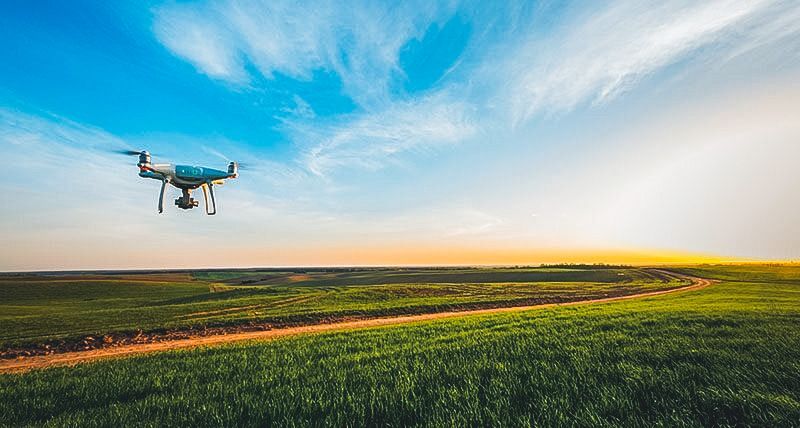
Plant, spray and harvest with confidence using reliable centimetre level positioning. Hexagon SmartNet provides fast, accurate RTK corrections across Australia to reduce overlaps, lower input costs and maximise productivity. With no base station required, simply connect, get a fix and get to work.

Built for the demand of Aussie farmers. Designed for every day performance.
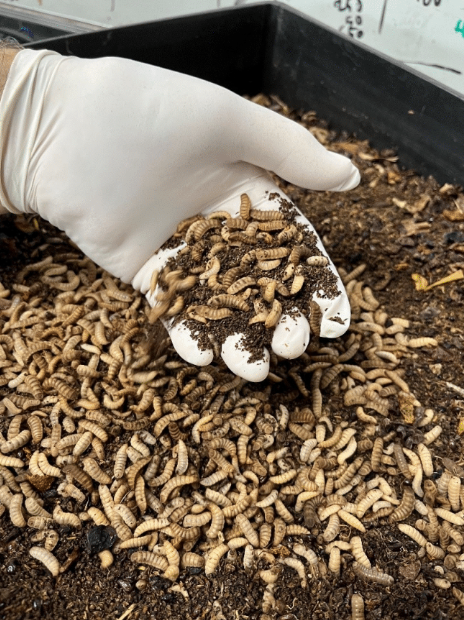
They’re wriggly black grubs more commonly tossed to backyard hens than served at the dinner table, but black soldier fly larvae could soon play a key role in building a more sustainable food system, according to new research from Adelaide University.
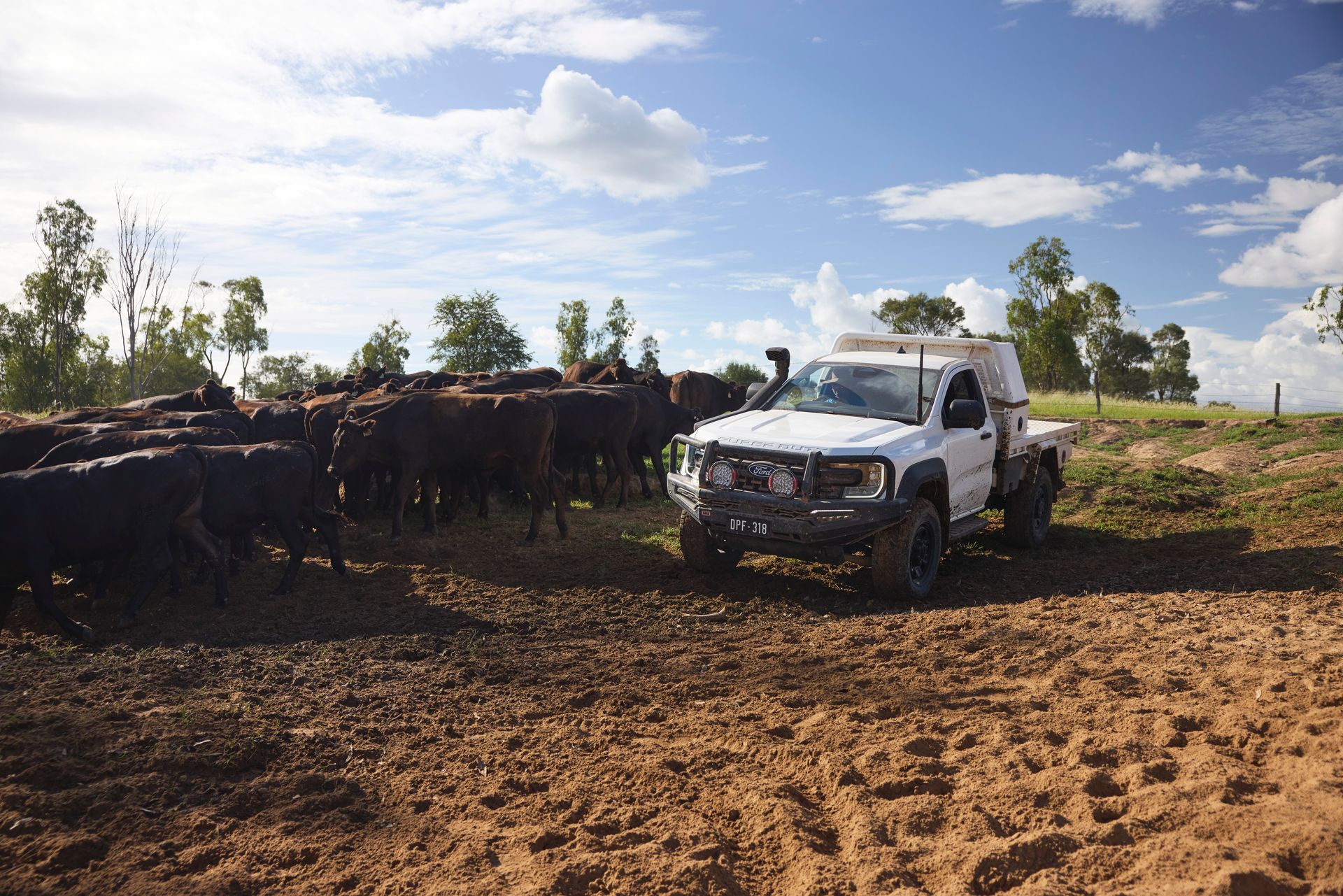
After four years of customer research and 500,000 test kilometres, Ford says the Ranger Super Duty brings farmer-driven customisation into the factory, with more towing, payload, and durability built in.