
























































1MG FlippingBooks
Five Minutes Q&A with Andrew Weidemann AM
Traditional trade skills from the past are key to Australia’s agricultural future.
1MG: What do you see as some of the big issues facing Australian agriculture in the coming few years?
AW: One of the key messages from the COVID-19 public health crisis over the last two-plus years is our improved understanding of just how fragile food production systems can be. To see supermarket shelves empty of food is a stark reminder of just why agriculture in this country and around the world is so important. Perhaps, for at least a few decades in this country, we have all taken food security for granted and the role of farmers in producing food. As a farmer myself, one of the biggest issues facing Australian agriculture today is skilled labour and finding people prepared to work outdoors and appreciate the wonderful aspects of producing food and fibre to feed a hungry planet.
1MG: How serious is this agricultural workforce issue?
AW: In my three decades working as a farmer, I’ve never seen such a labour crisis in agriculture as we have now. COVID-19 has had a lot to do with causing these shortages, with international border closures impacting our ability to access overseas workers to do important jobs at critical times such as seeding or harvest. It’s more important than ever that we today continue to invest in training people locally here in Australia to work in the various occupations in agriculture and help produce food. Progress in agriculture, like most other industries, has seen the ability for farmers to do more with fewer people. However, we still need the personnel to manage production programs, and produce the food and fibre we need, especially with farm scale growing and populations shrinking in regional centres and country towns. We need to re-populate the regional areas of Australia and that starts with all of us contributing where we can to ensure the food producers of tomorrow have the skills and mindset to keep farming.
1MG: Where did this problem come from?
AW: COVID has obviously made it worse in recent times but other factors also come into play. During the late 1980s to early 1990s, governments around Australia unfortunately closed down most of the technical colleges around the country while also changing the education agenda more towards academic skills in computing, accountancy and related disciplines. We as a nation are now paying the price for these decisions but we need to turn this around and continue to promote food production and agriculture as a great place to work and career option.
1MG: Is this problem isolated to agriculture?
AW: I’m afraid not. What is becoming clear is the strong need for hands-on trade skills across Australia’s wider economy aimed at young people in building, engineering and plumbing as the cost of housing escalates on the back of a clear lack of people to manufacture and build legacy constructions. Governments need to invest more in trade skilled oriented areas to maintain a strong manufacturing skillset. The retirement of the nation’s baby boomers is placing further pressure on a need for these traditional technical skills. COVID-19 seems to have lowered the priority of this issue on the national agenda. We need to invest in the skills for tomorrows food, construction and fibre sector or we will struggle to feed – house – clothe people in Australia and the world. Escalating fuel prices at the moment, with only two old refineries in Australia, is risking a perfect storm scenario with disastrous implications for food security.
1MG: What are some specific skills shortages for farm businesses?
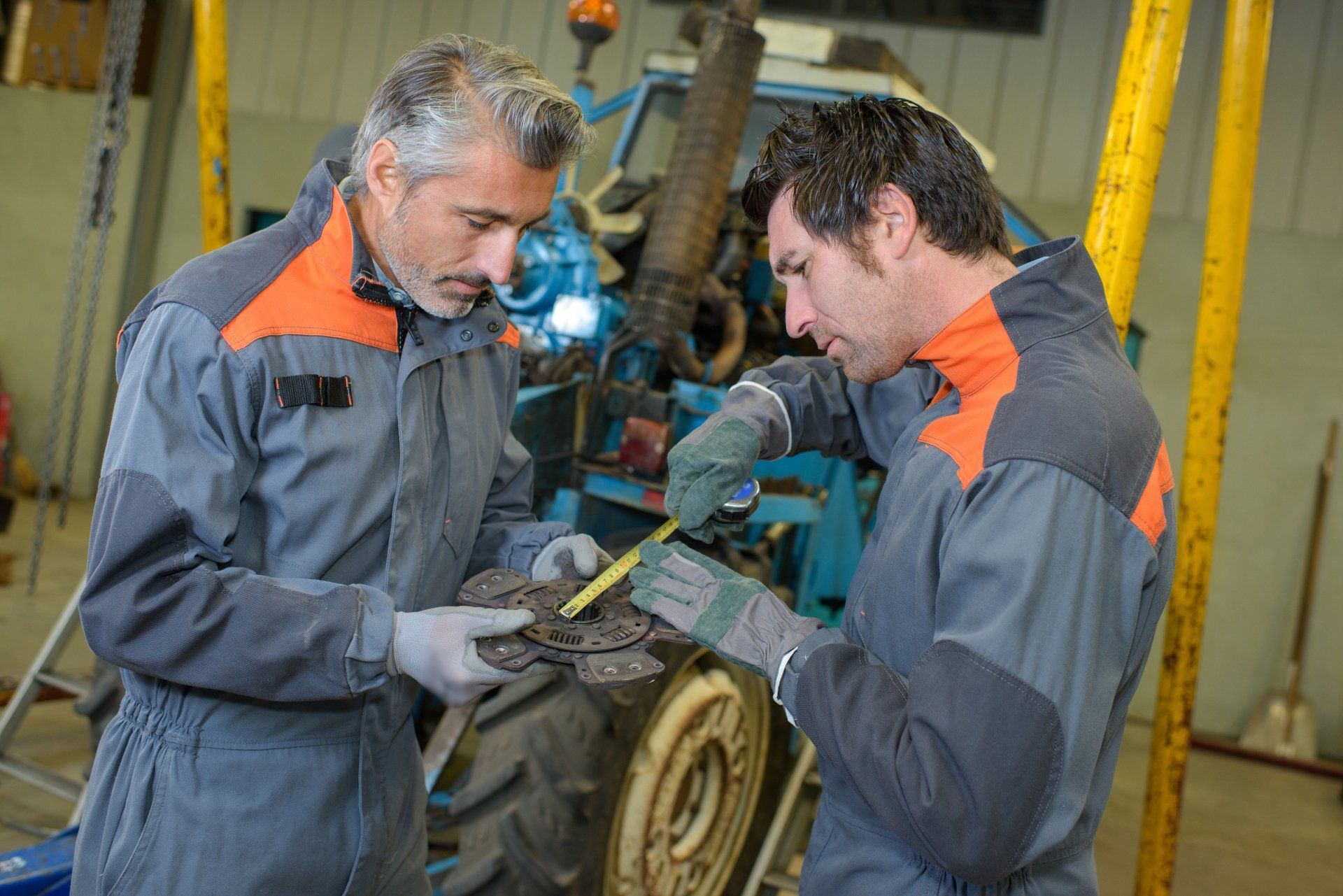
AW: In the agricultural profession, there is now a critical need for skilled workers able to perform a variety of functions to run the farm business including: driving trucks (GPS equipment) and tractors, headers, and seeding equipment; machinery maintenance (mechanic skills); header operators; welding; testing and export certification skills; and accountancy (bookkeeping skills). General engineering, welding and mechanic (repair and maintenance) skills are also key attributes for any farming business in remote areas where key services and machinery dealers are scarce.
1MG: What else can be done?
AW: Investment in skills, and related strategies such as incentives for on-the-job training by the private sector and retiring tradespeople who re-invest their time in training the future, is now an imperative for Australian agriculture. Bad news around agriculture, such as bush fires, floods, and plagues, deters people from entering what can be a truly exhilarating career path with so many aspects of skills that can be used.
1MG: How else can we get more people to work in agriculture?
AM: For all of my agri-political career, spanning 30-plus years now, I have always sought to change the perception of farmers in the general public eye – historically the stereotypical Australian farmer has been portrayed as having straw in their mouth while wearing dirty overalls and the kelpie by his side. Today, thanks to remarkable technological advancements in the last decade or so, the more tech-savvy Australian farmers spend much of their time on the smart phone checking on tractor operations and equipment performance from the comfort of their home – which incidentally, in the not-too-distant future, will be driverless. Hence, also, improved farmer lifestyle. Farmers such as those like me who produce grain are also very scientifically and commercially focussed in the way we run our businesses in using new technologies. This means there’s great opportunity to be innovative with what we do to solve current and future problems, across the agricultural industry as a whole, not just on-farm. This extends to the work we do to not only improve production output and farm returns, but to do it in a way which also improves sustainability.
1MG: Are there some model country towns that have the ideal agricultural talent mix?
AM: Horsham in western Victoria seems to have a good balance and is a key agricultural town. Dubbo appears also to have the right mix as a much larger centre. COVID-19 has seen a demographic shift to rural areas – in particular smaller towns of below 1000 people but it’s putting a serious shortage of housing under more pressure again. The community bank model of the Bendigo and Adelaide Bank has been looking at this situation and trying to get support for building affordable housing accommodation. COVID-19 has also seen a major deficiency in building products and high prices in steel up some 40% on 2 years ago.
Andrew Weidemann AM is former Chairman of Grain Producers Australia. He is also a third-generation farmer from Rupanyup in Victoria’s Wimmera Region.
NEWS
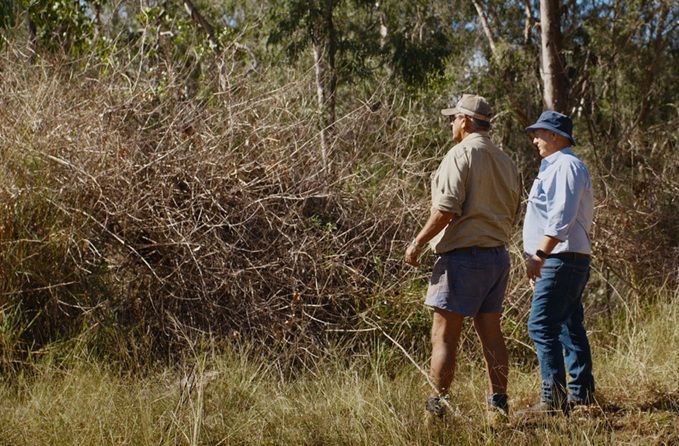
Invasive woody weeds steal your pasture. Method helps you take it back.
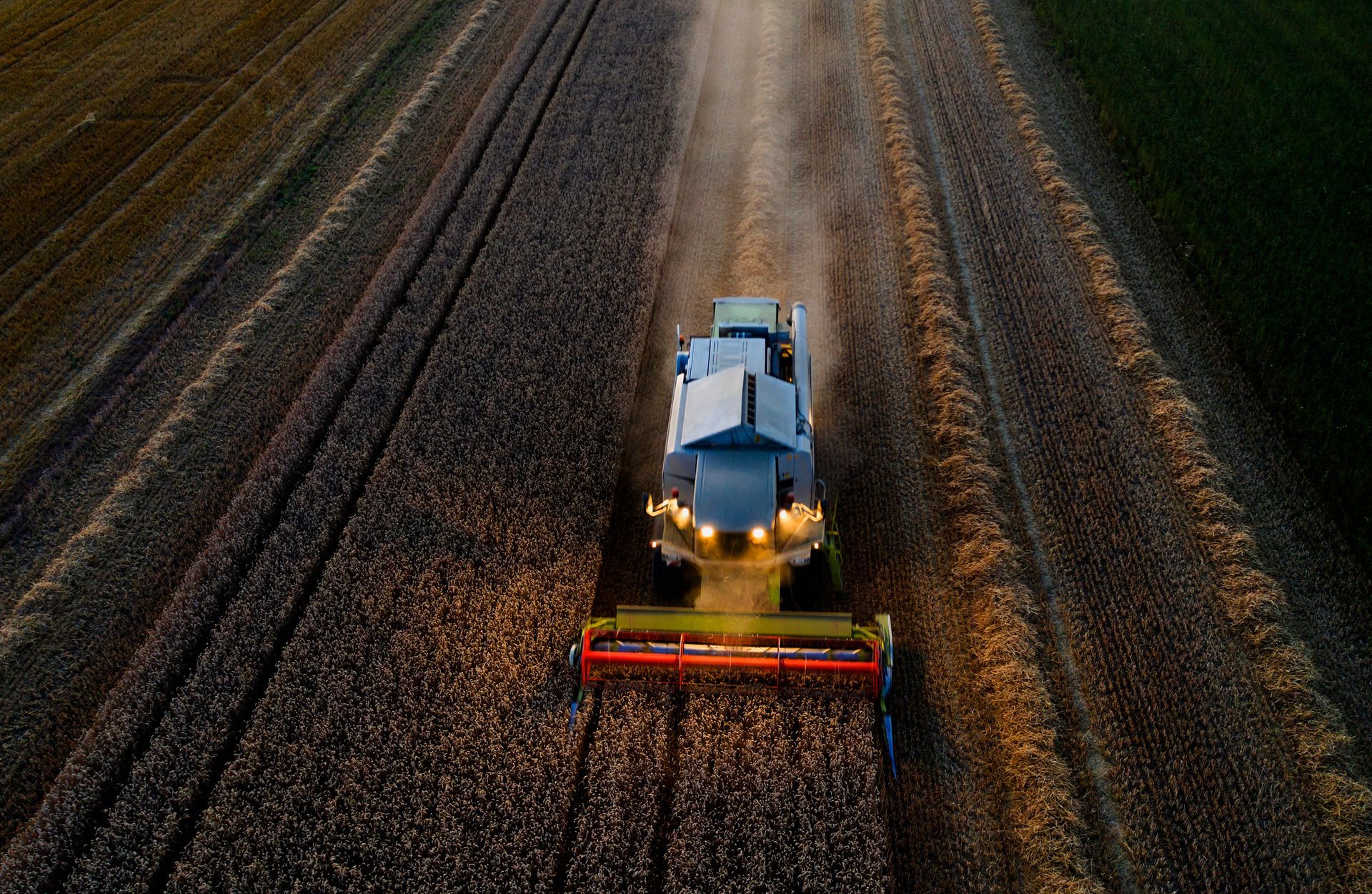
High-precision GNSS has typically been too costly and complex for all but the most critical agricultural operations, but recent RTK GNSS innovations have made centimetre accuracy scalable to all applications in Ag-Tech.
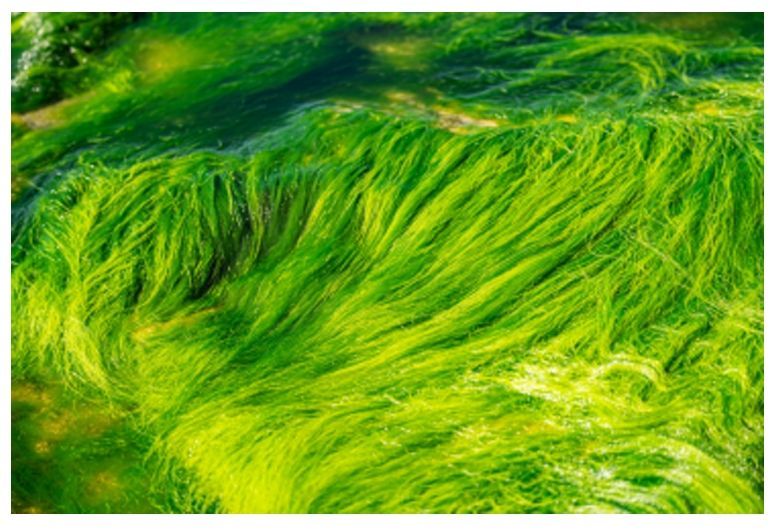
Every Aussie farmer knows that the difference between a “good” crop and a “record-breaking” one often come down to the smallest details. At BioFlora, we’ve spent years perfecting the balance of plant nutrition, and the result is IsoGreen – our powerhouse liquid formula designed to push your yields and crop taste to their absolute peak.
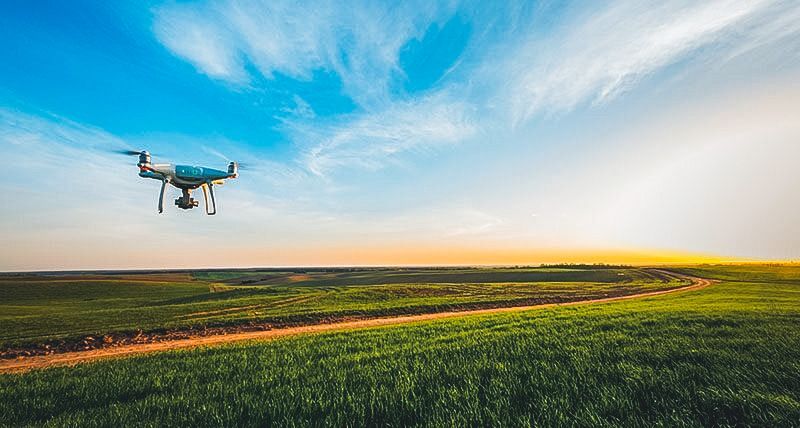
Plant, spray and harvest with confidence using reliable centimetre level positioning. Hexagon SmartNet provides fast, accurate RTK corrections across Australia to reduce overlaps, lower input costs and maximise productivity. With no base station required, simply connect, get a fix and get to work.

Built for the demand of Aussie farmers. Designed for every day performance.
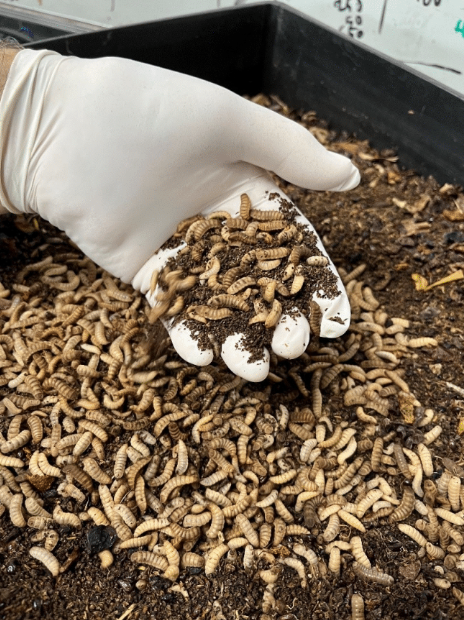
They’re wriggly black grubs more commonly tossed to backyard hens than served at the dinner table, but black soldier fly larvae could soon play a key role in building a more sustainable food system, according to new research from Adelaide University.