























































1MG FlippingBooks
How to Transform Yields from the Ground Up
During the peak of a scorching summer, the microbes in your farm’s soil are likely accessing water locked up in soil. That’s moisture the plants can’t reach without those crucial microbes.
Whether your farm grows crops, fruit and vegetables, cattle or sheep, each summer presents unique challenges: nutrient-depleted soils, unpredictable weather, and soaring input costs. Conventional chemical fertilisers often exacerbate soil imbalances, leading to diminishing returns over time.
Embark on a journey beneath your feet, where clues to boosting harvests and productivity lie. It’s home to organisms ranging from 0.001 millimetres to twice that size for bacteria, with fungi extending their root networks up to several metres.
These organisms are the heroes of an innovative biological approach that’s helping farmers across Australia and New Zealand.
It’s all about balance
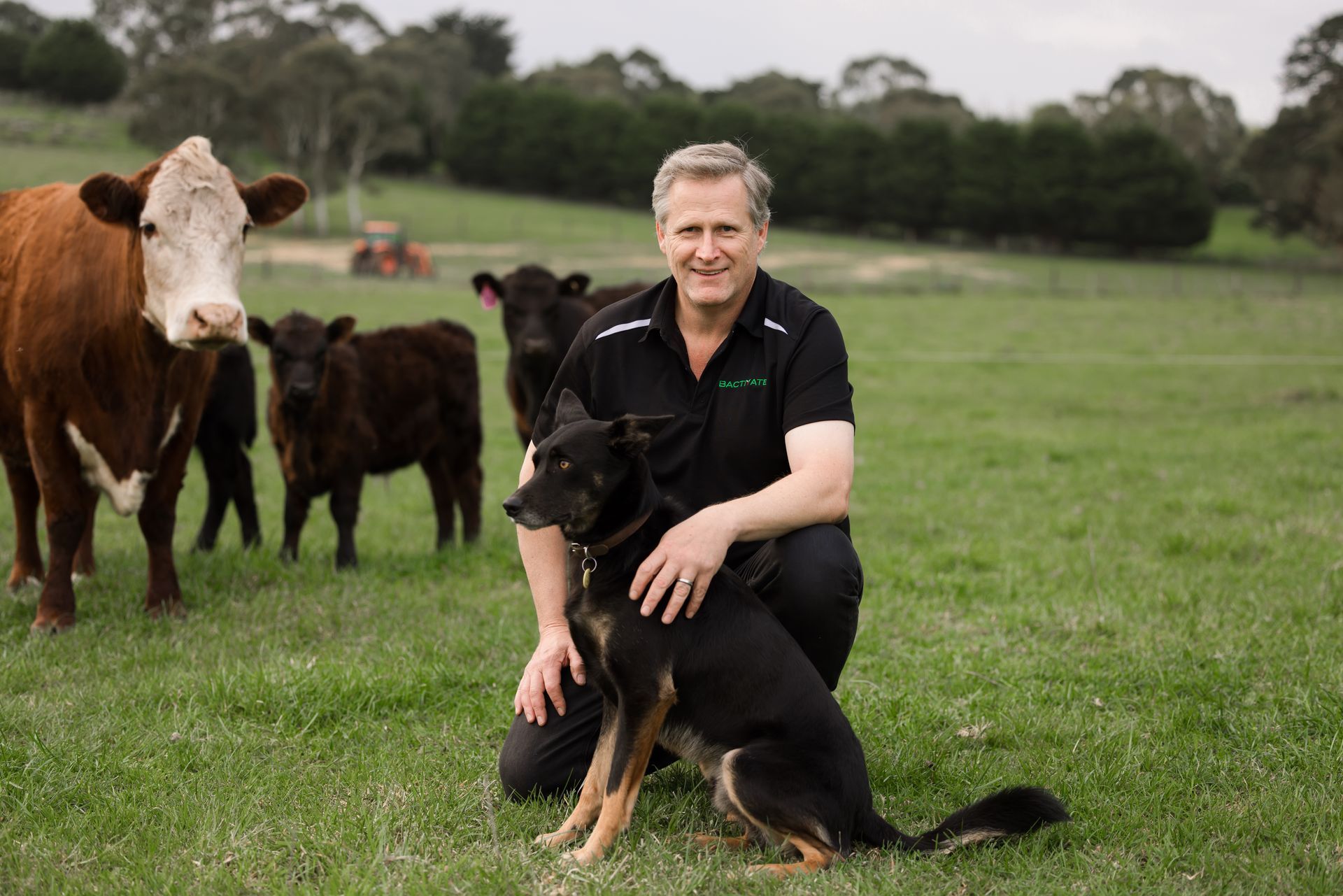
According to Mark Gabsch, Founder and Managing Director of soil-enrichment company, Bactivate, healthy soil is the “engine room of agriculture”.
“Australia’s soils are ancient and depleted, and the way we’ve been farming has largely broken the natural symbiotic systems that supported soil health,” he says.
“Get the biology right and restore that balance, then the results above ground will follow.”
Mark's experience as a mechanical engineer and cattle farmer equips him with highly transferable skills in problem-solving, data collection, and analysis.
On the ground and under
A New South Wales vineyard offers a powerful example of what’s possible. Mark’s testing showed one part of the farm had a 54 per cent to 46 per cent fungi to bacterial ratio.
“Then we walked up the row where the grapes were growing much better, and the ratio was 70:30 fungi to bacteria and the total count of biology was significantly higher. So, I could show the causal link between plant performance and what’s happening in the soil.”
Having identified the fungal-bacterial imbalance in the soil, the grower implemented Bactivate’s tailored program. Within months, vine performance improved dramatically, with higher sugar levels in grapes and better overall plant health.
“We didn’t just fix the soil; we improved the crop. Farmers often assume that what’s happening above ground tells the full story, but soil health is the hidden driver of success.”
After years of research to capture ammonia in the chicken litter in broiler shed, Bactivate applied a biological program to create a waste that was transferrable from shed straight to paddock. The fertiliser was applied to tomatoes, which grew up to a remarkable 620 grams each. The game changer was what was added to the growing medium - bacillus-activated chicken manure that didn’t need composting before top dressing around the plants.
“When a tomato plant has access to a healthy microbiome, it can absorb zinc and other essential nutrients more effectively,” Mark says. Zinc deficiency, he notes, is a growing issue worldwide, contributing to poor yields, lower plant health and declining food quality.
Meanwhile, a farmer in the Hunter Valley transformed depleted soils into thriving pastures, seeing measurable increases in plant sugar levels and healthier yields.
A thoroughbred horse farm on the Victorian Peninsula experienced a reduction in foal birth defects of up to 90%. Improved soil health resulted in more nutritional feed for the horses, improving fetal development.
The soil from four dairy farms in Eastern Victoria, demonstrated a direct link between soil health and farm profitability. As the soil health improved the cattle produced more milk.
Boosting Soil Biology … Naturally
Bactivate is science backed: introducing specific strains of bacteria and fungi to match the soil and crop’s needs. The soil is the microbiome for the plant.
For example, Bacillus bacteria cultures play a role, but they’re not the same as those found in yoghurt. Only a few Bacillus species are commonly used or extensively studied in agriculture and horticulture. A bacterial organism typically lives just 20 minutes, so Mark uses a technique to encourage biological reproduction using liquid carbon to populate and dominate the soil.
“Liquid carbon basically replicates the sugars that the plant would extrude to support the biology. When a plant isn’t performing, which is when Bactivate first gets involved, we want to ensure there are enough sugars in the soil to support the biology and allow healthy growth.”
Bespoke Solutions for Long-Term Change
Mark says for him it’s a “long game”. He’s accelerating what regenerative farming would achieve in three to five years, and by the end of the typical two-year program, “many of our clients no longer need us”.
This aligns with a broader philosophy of sustainable farming, where soil is treated as a living system rather than a resource to be exploited. By integrating practices like cover cropping, avoiding soil disturbance, and leveraging biological inputs, farmers can create self-sustaining systems that endure beyond a single growing season, he says. Healthy soil is the fundamental foundation for a healthy ecology and plants to optimise their performance, which increase yield, quality and nutrition.
Website: www.bactivate.com.au
Email: mark@bactivate.com.au
NEWS
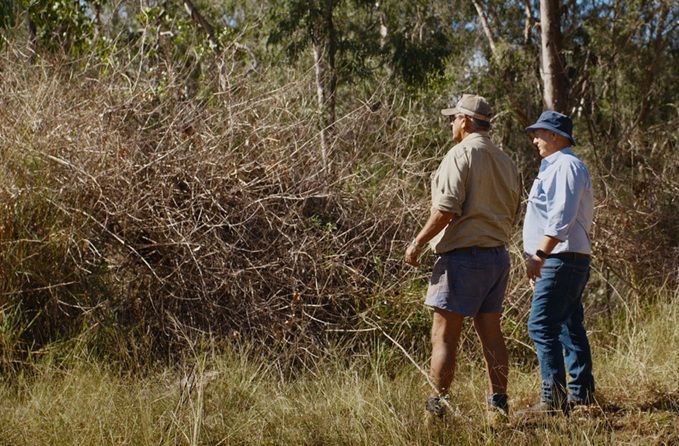
Invasive woody weeds steal your pasture. Method helps you take it back.

High-precision GNSS has typically been too costly and complex for all but the most critical agricultural operations, but recent RTK GNSS innovations have made centimetre accuracy scalable to all applications in Ag-Tech.
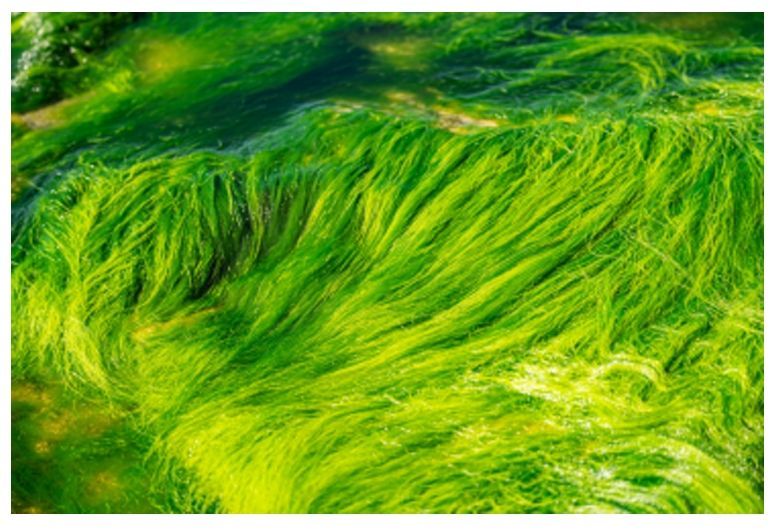
Every Aussie farmer knows that the difference between a “good” crop and a “record-breaking” one often come down to the smallest details. At BioFlora, we’ve spent years perfecting the balance of plant nutrition, and the result is IsoGreen – our powerhouse liquid formula designed to push your yields and crop taste to their absolute peak.

Plant, spray and harvest with confidence using reliable centimetre level positioning. Hexagon SmartNet provides fast, accurate RTK corrections across Australia to reduce overlaps, lower input costs and maximise productivity. With no base station required, simply connect, get a fix and get to work.

Built for the demand of Aussie farmers. Designed for every day performance.
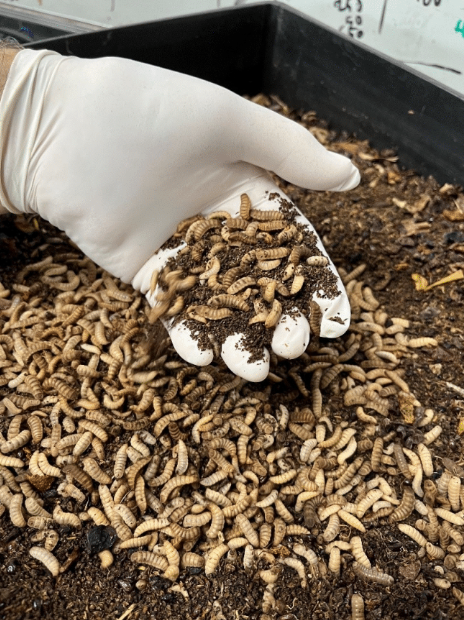
They’re wriggly black grubs more commonly tossed to backyard hens than served at the dinner table, but black soldier fly larvae could soon play a key role in building a more sustainable food system, according to new research from Adelaide University.