



































1MG FlippingBooks
Livestock export oversight expands
Vivien Lin
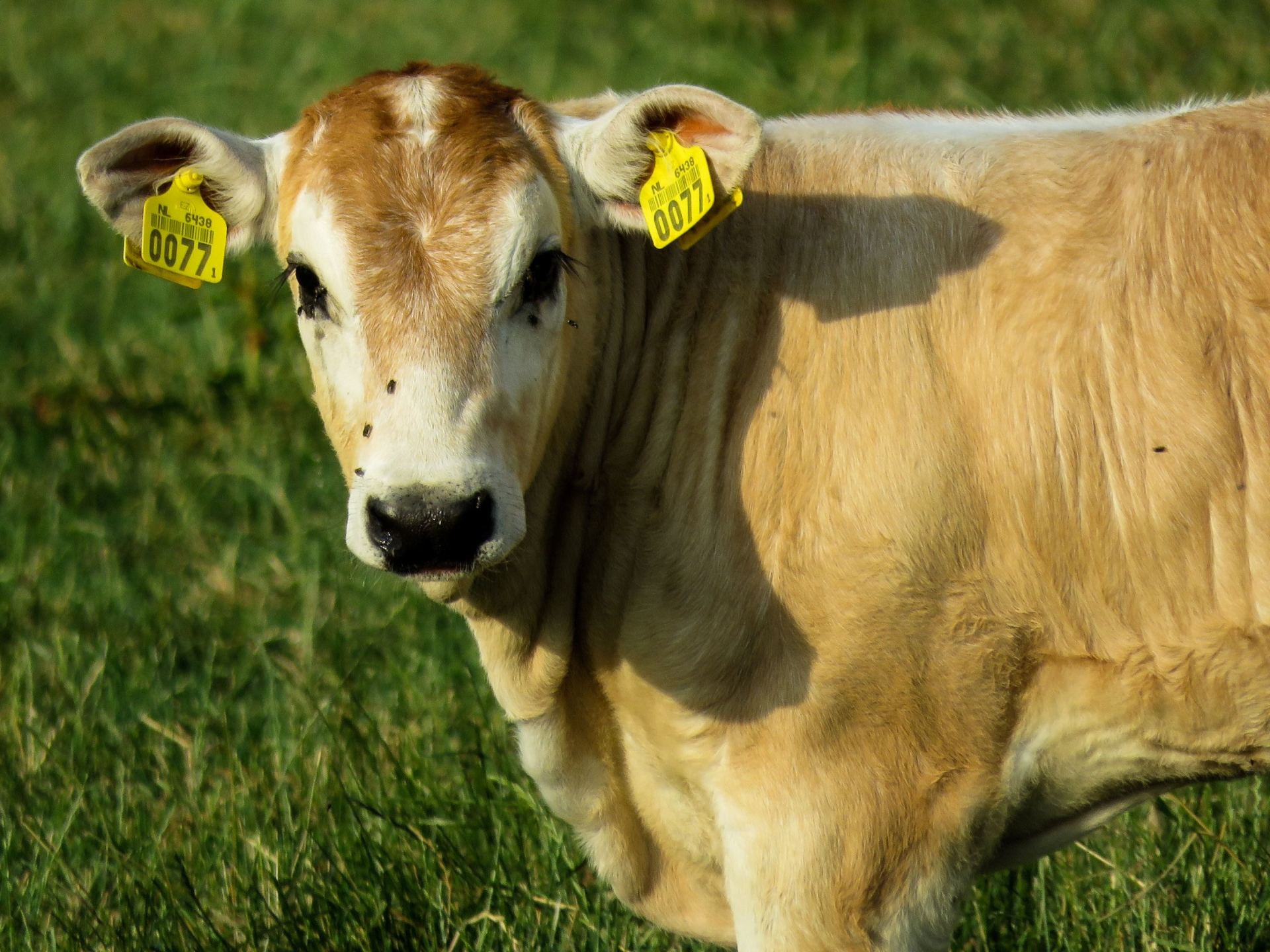
The government is seeking to establish an independent Inspector-General of Live Animal Exports to provide additional accountability and oversight over Australia’s livestock exports.
The Inspector-General of Live Animal Exports Bill 2019 has been introduced into the Senate by Minister for Agriculture, Senator Bridget McKenzie, and will create the Inspector-General role to oversee the Department of Agriculture, Australia’s regulator of livestock exports.
The Inspector-General will be responsible for auditing and reviewing the processes that the Department of Agriculture administers across regulating livestock exports. They will have the power to examine the effectiveness of these systems, make recommendations for improvement and compel any person to provide information or documents relevant to a review.
“The Inspector-General will oversee the Department of Agriculture’s regulation of live exports and increase transparency of Australia’s livestock export management system,” Minister McKenzie says. “This is another step assuring the community, trading partners and industry that the regulatory system is functioning as intended.”
The legislation aims to promote continual improvements in the Department’s regulatory practice, performance and culture whilst also providing a further layer of assurance over the livestock export system.
Australia’s trade in livestock exports has expanded significantly over the last 30 years, increasing in value from $597.62 million in 1988 to $1.5 billion in 2015. However, this growth in trade has also attracted public attention to numerous incidents involving livestock deaths and animal cruelty.
The need for increased assurance over the live-stock export regulatory system was most recently highlighted after footage revealing poor conditions experienced by sheep and high mortality rates was released in 2017.
In response to widespread community concerns regarding animal welfare, the then Minister for Agriculture and Water Resources commissioned the Moss Review to investigate and identify changes to improve the regulation of live animal exports.
“Australians and the industry need to be confident in the independent live export regulator,” Minister McKenzie says. “This is about building an effective regulatory practice, performance and culture of the live export regulator.”
Ross Carter took on the role of Interim Inspector-General, pending the passage of this legislation, in March 2019 and will soon be conducting the first review of monitoring and reporting on livestock export vessels.
NEWS
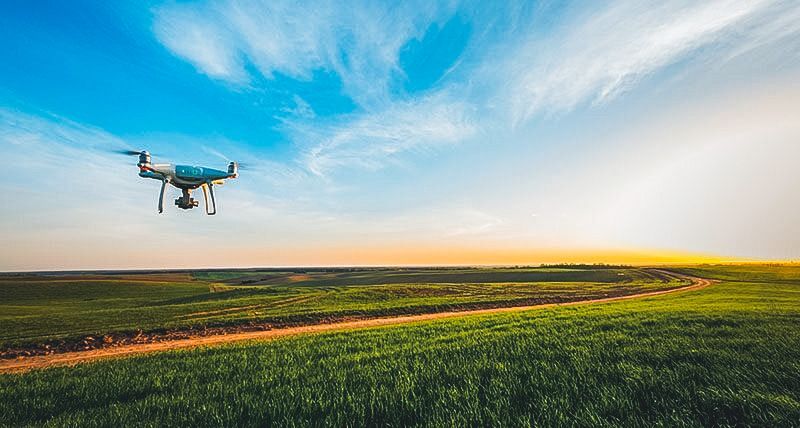
Plant, spray and harvest with confidence using reliable centimetre level positioning. Hexagon SmartNet provides fast, accurate RTK corrections across Australia to reduce overlaps, lower input costs and maximise productivity. With no base station required, simply connect, get a fix and get to work.

Built for the demand of Aussie farmers. Designed for every day performance.
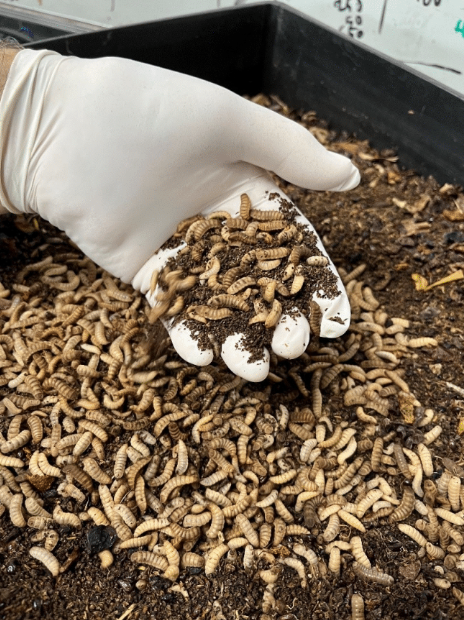
They’re wriggly black grubs more commonly tossed to backyard hens than served at the dinner table, but black soldier fly larvae could soon play a key role in building a more sustainable food system, according to new research from Adelaide University.
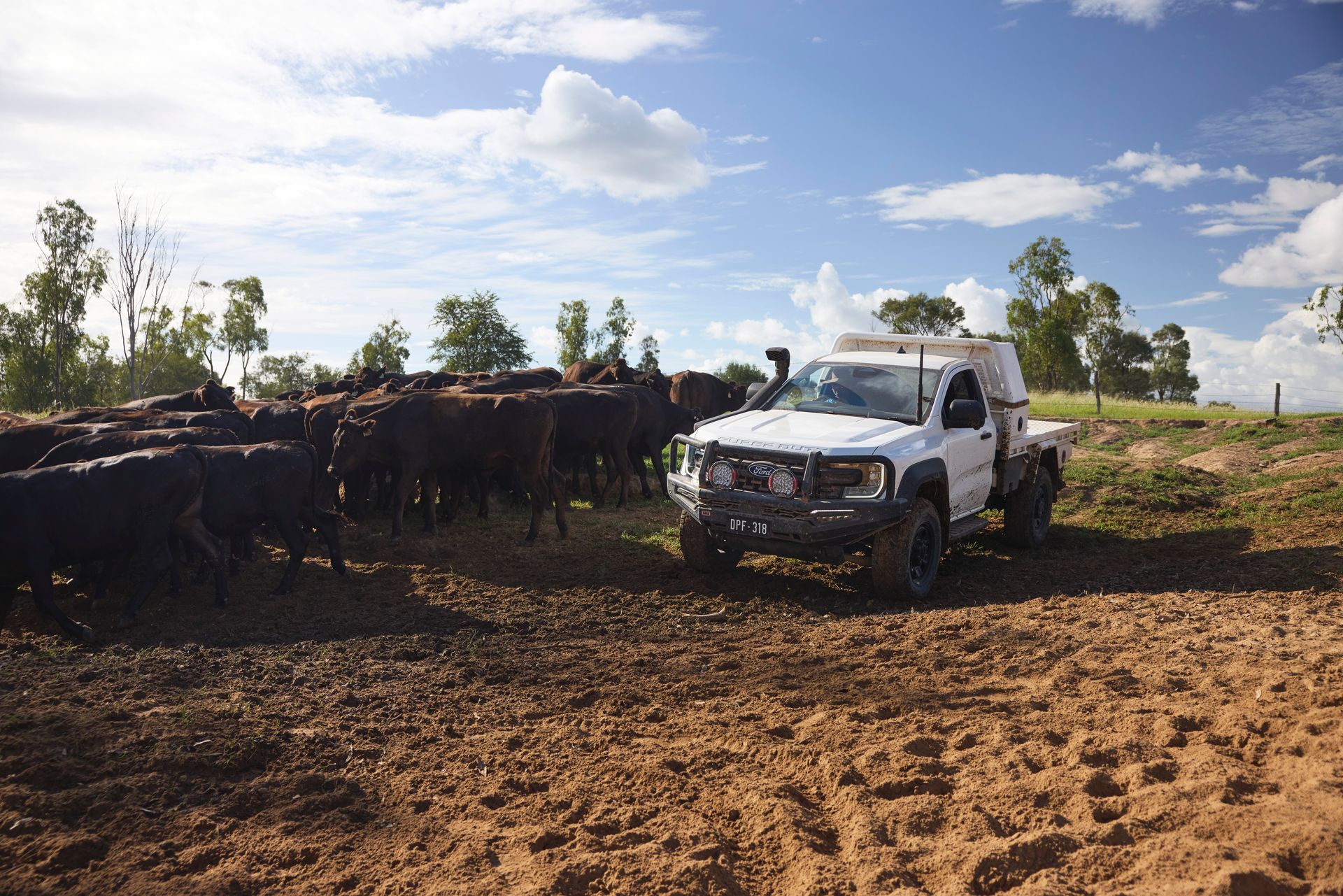
After four years of customer research and 500,000 test kilometres, Ford says the Ranger Super Duty brings farmer-driven customisation into the factory, with more towing, payload, and durability built in.
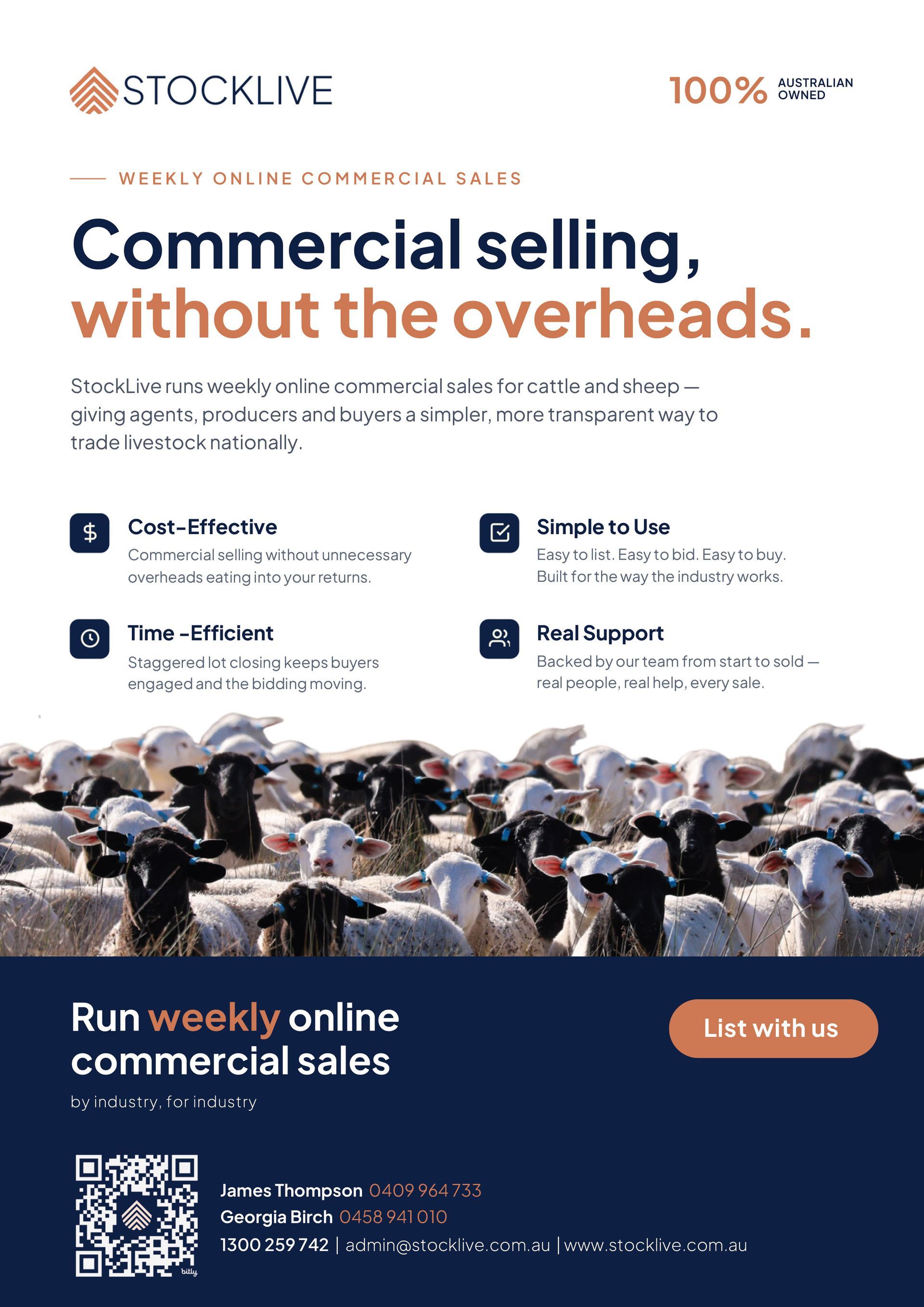
StockLive runs weekly online commercial sales for cattle and sheep —
giving agents, producers and buyers a simpler, more transparent way to
trade livestock nationally.
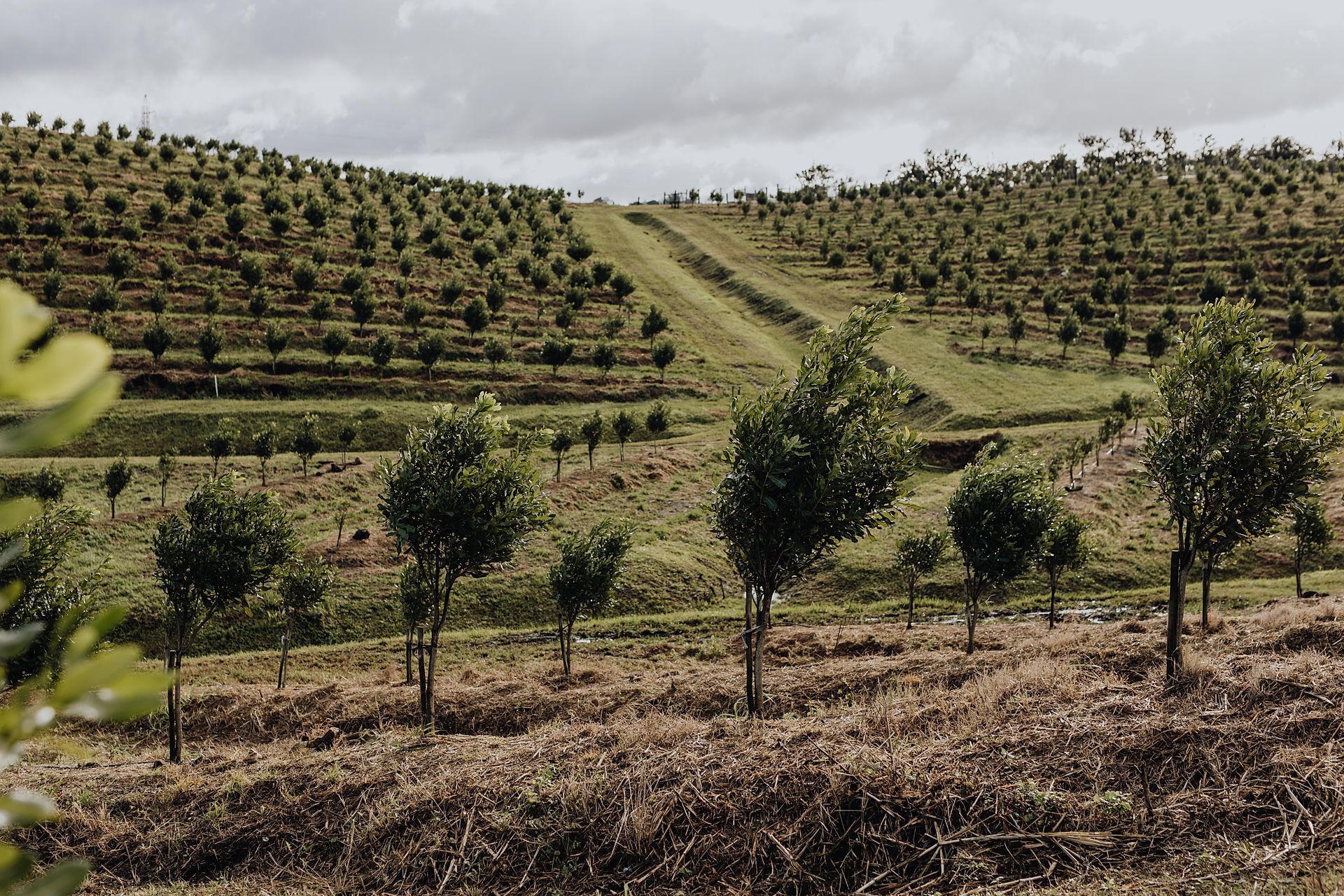
YaraRega helps macadamia growers improve nutrient efficiency and operational flexibility through fertigation or dry application, supporting consistent tree performance, productivity, and seasonal nutrient management