



























































1MG FlippingBooks
Macadamia industry shaken up by simple solution to treating husk spot disease
Elizabeth Gracie
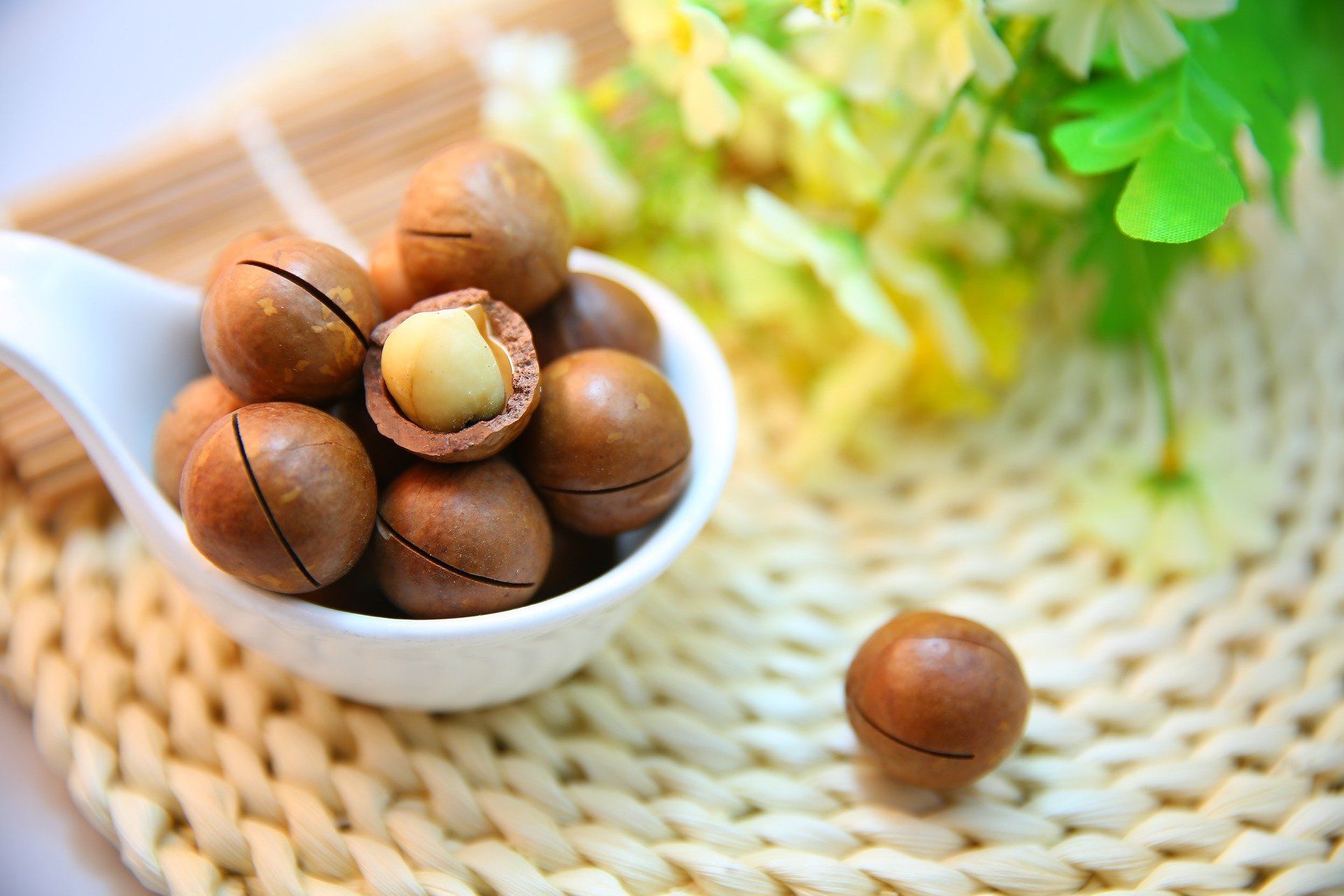
A chemical-free solution to husk spot disease is shaking up the macadamia industry, clawing back the $20m in yearly losses associated with the pathogen by applying a mechanical shaker to crops.
Husk spot is a natural pathogen that infects the fibrous husk around the macadamia shell and costs Australia’s macadamia industry approximately $20m per year. With macadamias representing less than 1% of the total global tree nut trade, new chemical solutions are rare with small amounts of resources dedicated to R&D in the space by chemical manufacturers.
University of Queensland (UQ) Scientist, Associate Professor Femi Akinsanmi found through his research at the Queensland Alliance for Agriculture and Food Innovation that the simple gesture of physically shaking macadamia trees with a mechanical tree shaker could remove infected macadamia husks and protect healthy husks from being infected.
A mechanical tree shaker is a device that uses a hydraulic cylinder to squeeze a tree and is commonly used to harvest fruit such as pecans, almonds and walnuts.
Now, some 90% of farmers in the Bundaberg region are using mechanical shakers, with uptake in NSW slower due to the difficulty of using the shakers in non-GPS planted orchards.
Australia is the only country in the world that is known to have the pseudocercopora macadamiae pathogen, providing a unique opportunity for Australian scientists to study the biology and ecology of husk spot disease.
The discovery could significantly reduce macadamia farmers reliance on chemical fungicides and sprays to remove the source of husk spot infection from their crops.
When speaking with the ABC, Professor Akinsanmi said that the use of mechanical tree shakers proved so successful in trials that it eliminated the need to use chemical fungicide sprays altogether.
“It’s what we call integrated management. When we started it, it used to be about five or six [fungicide] applications a year - now it is down to one or none”.
“In Bundaberg. Many of our larger growers are already using it every year, so they don’t have to worry about the disease ever again” said Akinsanmi.
The usage of mechanical tree shakers will also shorten the harvest time for farmers as macadamia nuts are harvested from orchard floors, making for a more efficient harvest season.
Jolyon Burnett, CEO of the Australian Macadamia Society said that Professor Akinsanmi’s research into treatment methods for husk spot disease had profoundly impacted Australia’s macadamia industry.
“What Femi has done has made us all better farm managers across the board, not just in relation to our broader industry-funded project on integrated pest and disease management,” said Burnett.
“It’s a critical shift that has saved money and improved sustainability and responsible practices in the communities we operate in”.
However, Femi suggests that each farmer should assess the need for chemical fungicides depending on their individual circumstances and if they were unable to access a mechanical tree shaker to remove old infected husks from trees.
NEWS
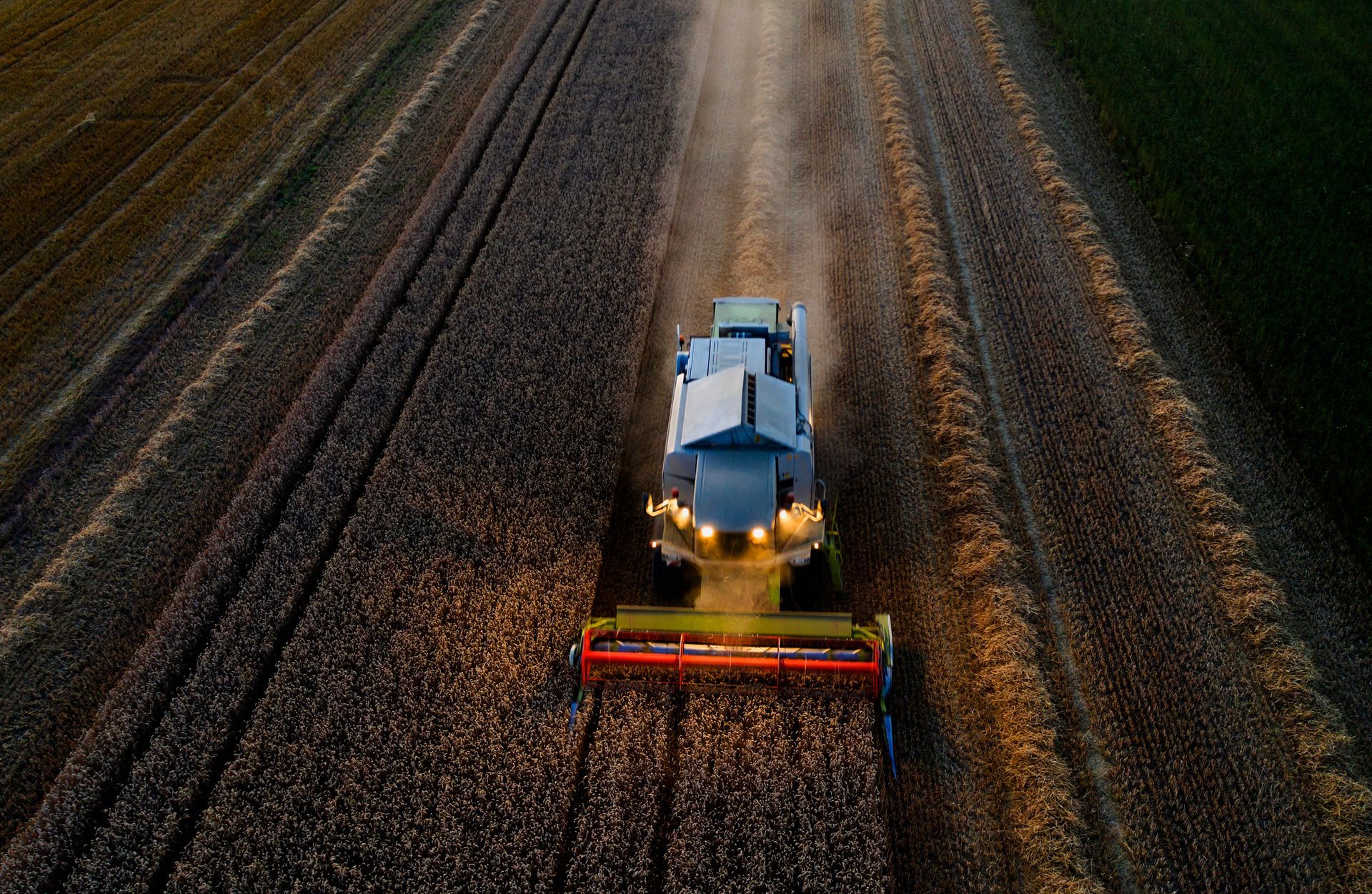
High-precision GNSS has typically been too costly and complex for all but the most critical agricultural operations, but recent RTK GNSS innovations have made centimetre accuracy scalable to all applications in Ag-Tech.

Every Aussie farmer knows that the difference between a “good” crop and a “record-breaking” one often come down to the smallest details. At BioFlora, we’ve spent years perfecting the balance of plant nutrition, and the result is IsoGreen – our powerhouse liquid formula designed to push your yields and crop taste to their absolute peak.

Plant, spray and harvest with confidence using reliable centimetre level positioning. Hexagon SmartNet provides fast, accurate RTK corrections across Australia to reduce overlaps, lower input costs and maximise productivity. With no base station required, simply connect, get a fix and get to work.

Built for the demand of Aussie farmers. Designed for every day performance.
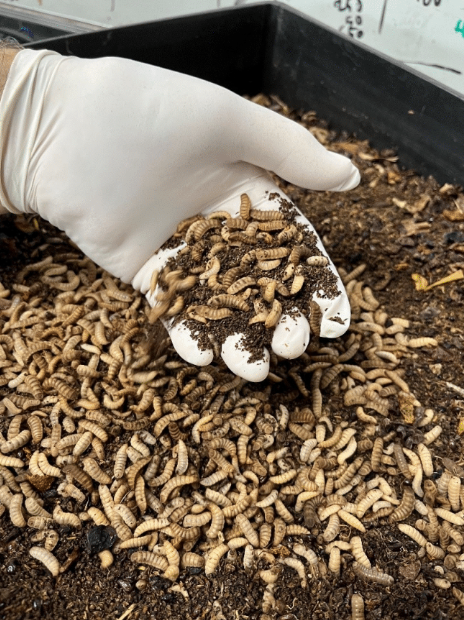
They’re wriggly black grubs more commonly tossed to backyard hens than served at the dinner table, but black soldier fly larvae could soon play a key role in building a more sustainable food system, according to new research from Adelaide University.
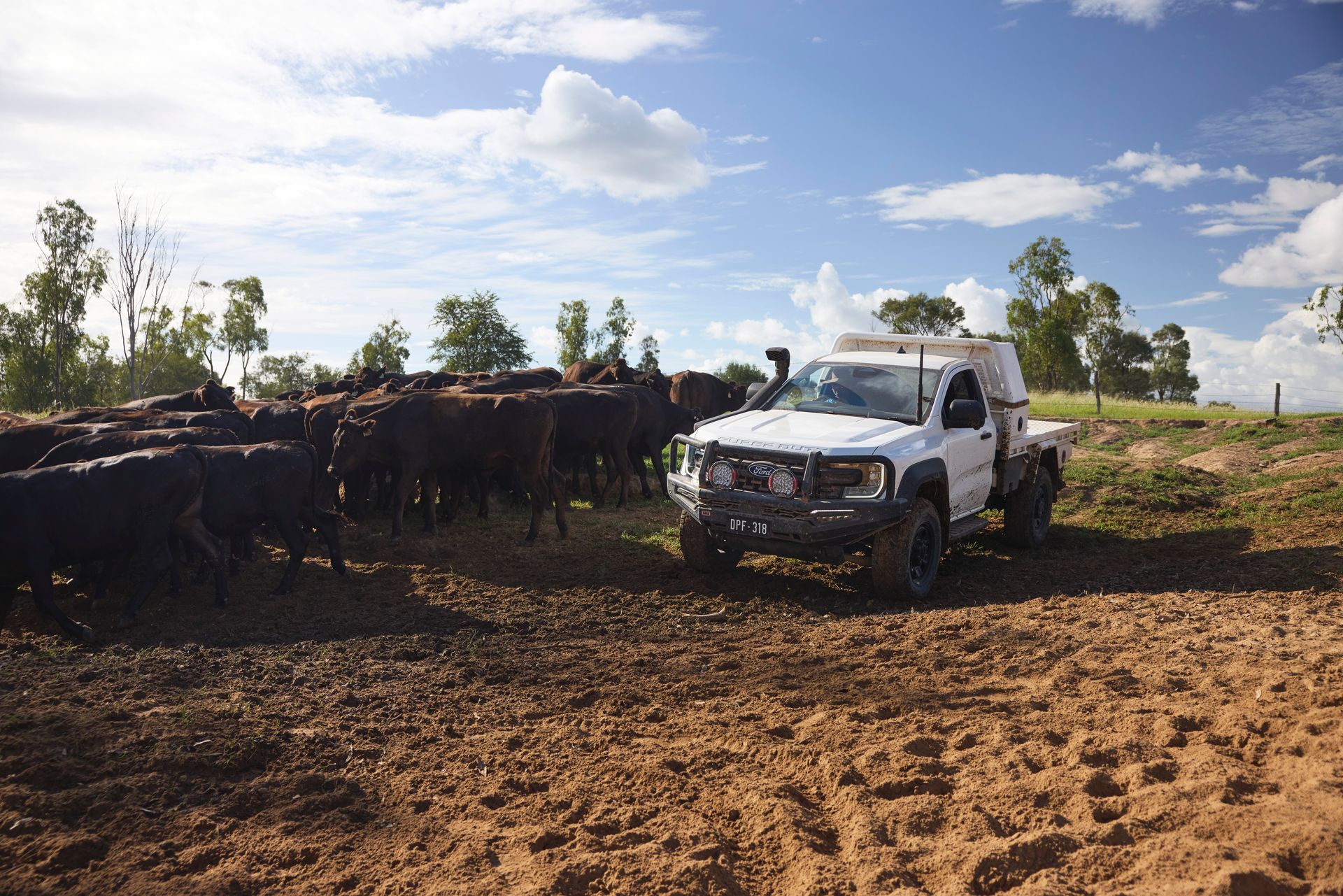
After four years of customer research and 500,000 test kilometres, Ford says the Ranger Super Duty brings farmer-driven customisation into the factory, with more towing, payload, and durability built in.