


























































1MG FlippingBooks
Paying farmers to boost biodiversity
Elizabeth Gracie
The Australian National University (ANU) has been awarded a $3.4m grant to develop a monitoring, reporting and measuring framework for the Agriculture Biodiversity Stewardship Pilot Program.
The Agriculture Biodiversity Stewardship program pays farmers to boost biodiversity on their property as a means of benefitting their local community.
Minister for Agriculture, Drought and Emergency Management David Littleproud said that “this agreement with ANU is another critical part of our efforts to incentivise the adoption of improved on-farm biodiversity practices”.
“It is time farmers are rewarded for the benefits Australia receives from their work looking after the biodiversity on their land” he continued.
The ANU led pilot program will also allow for farmers and landholders to be offered working contracts with the Federal Government to recognise and maintain biodiversity. This will include projects relating to maintaining and enhancing forests, gullies, waterways, and mixed species native plantings.
It will also link up with work already being conducted by the National Farmers Federation (NFF) and Australian Farm Institute (AFI) to deliver an Australian Farm Biodiversity Certification Scheme.
The NFF has welcomed the ANU-led biodiversity pilot with open arms.
“Scientific rigor and technical accuracy must underpin all of the various methodologies that allow farmers to access these new capital and income sources,” said NFF CEO Tony Mahar.
“So we welcome the addition of ANU to the Stewardship package as a valuable technical and scientific advice provider”.
According to Minister Littleproud, “a biodiversity scheme will give farmers motivation and reward them for looking after nature on their products”.
“If shoppers are prepared to pay more for products that carry the biodiversity stamp, or if it will help increase our market access, then let’s create a brand and reward farmers who do that. We will test this through the pilot.”
NEWS
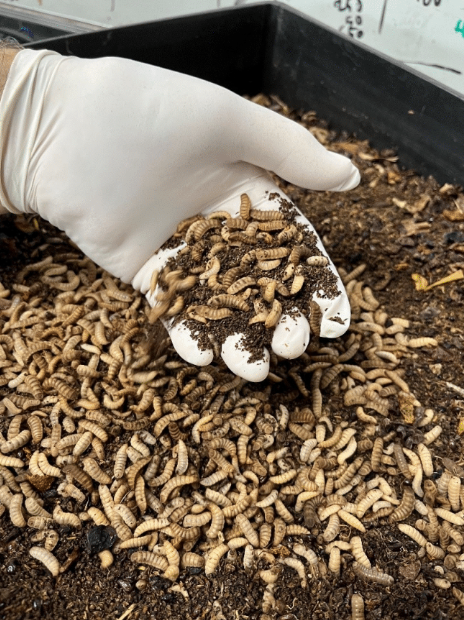
They’re wriggly black grubs more commonly tossed to backyard hens than served at the dinner table, but black soldier fly larvae could soon play a key role in building a more sustainable food system, according to new research from Adelaide University.
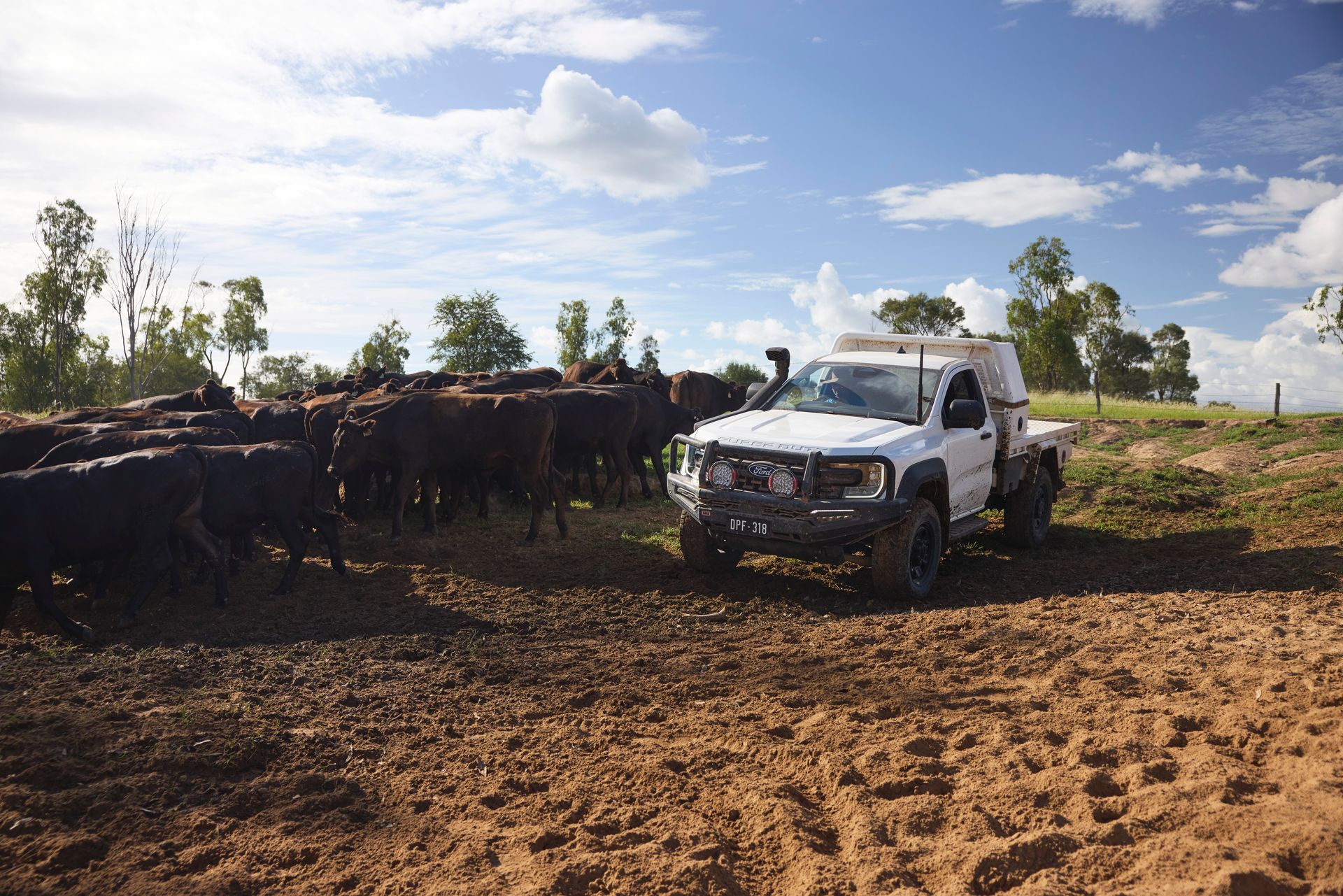
After four years of customer research and 500,000 test kilometres, Ford says the Ranger Super Duty brings farmer-driven customisation into the factory, with more towing, payload, and durability built in.

StockLive runs weekly online commercial sales for cattle and sheep —
giving agents, producers and buyers a simpler, more transparent way to
trade livestock nationally.
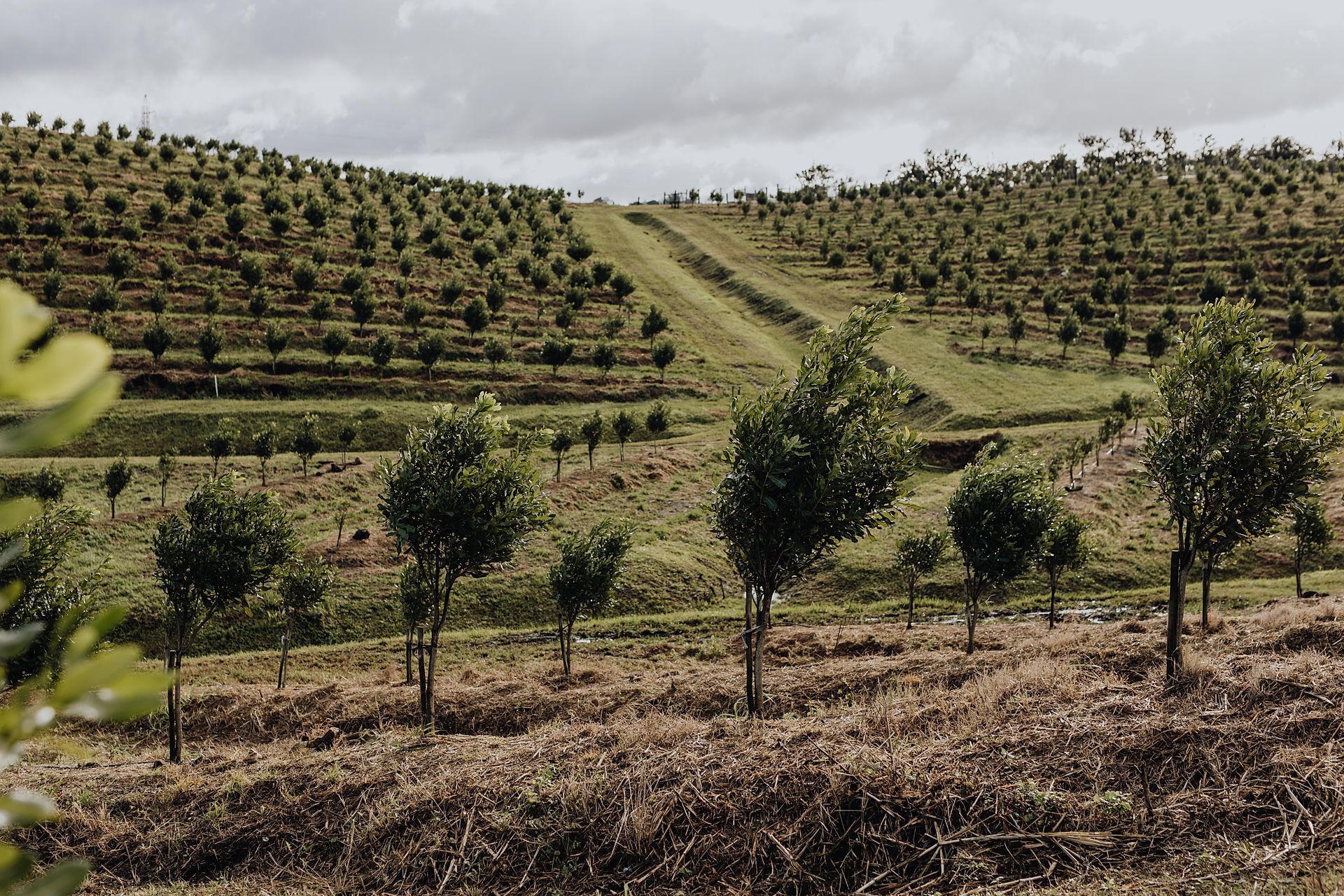
YaraRega helps macadamia growers improve nutrient efficiency and operational flexibility through fertigation or dry application, supporting consistent tree performance, productivity, and seasonal nutrient management
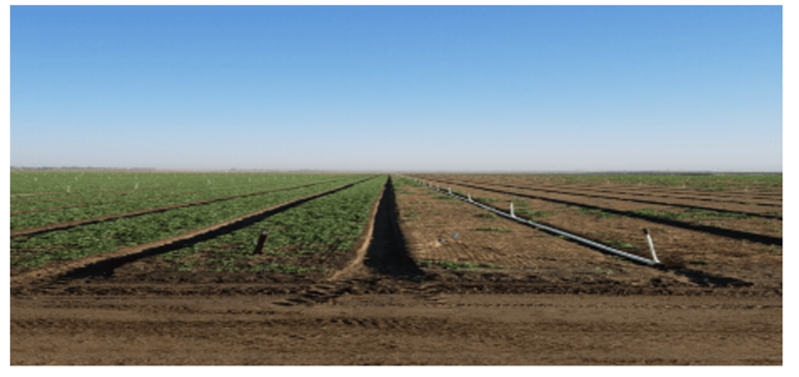
The global agricultural landscape is currently weathering a perfect storm. With ongoing conflict in the Middle East and instability involving major trade routes, the supply chain for traditional synthetic fertilisers has been pushed to the brink. For Australian farmers, this isn’t just a headline, it’s a direct hit to the bottom line, with skyrocketing costs and looming shortages threatening the next harvest.
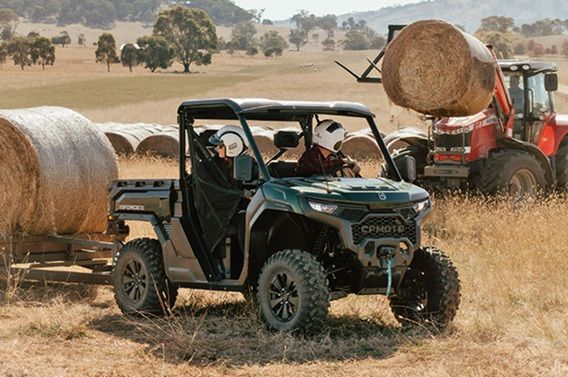
The U10 Pro Range redefines what a top‑tier full‑size UTV can be, launching a bold new era for the UFORCE family — now offered in three distinct models