



















































1MG FlippingBooks
Quad bike manufacturers to withdraw from Australian market if proposed standard becomes law
Vivien Lin
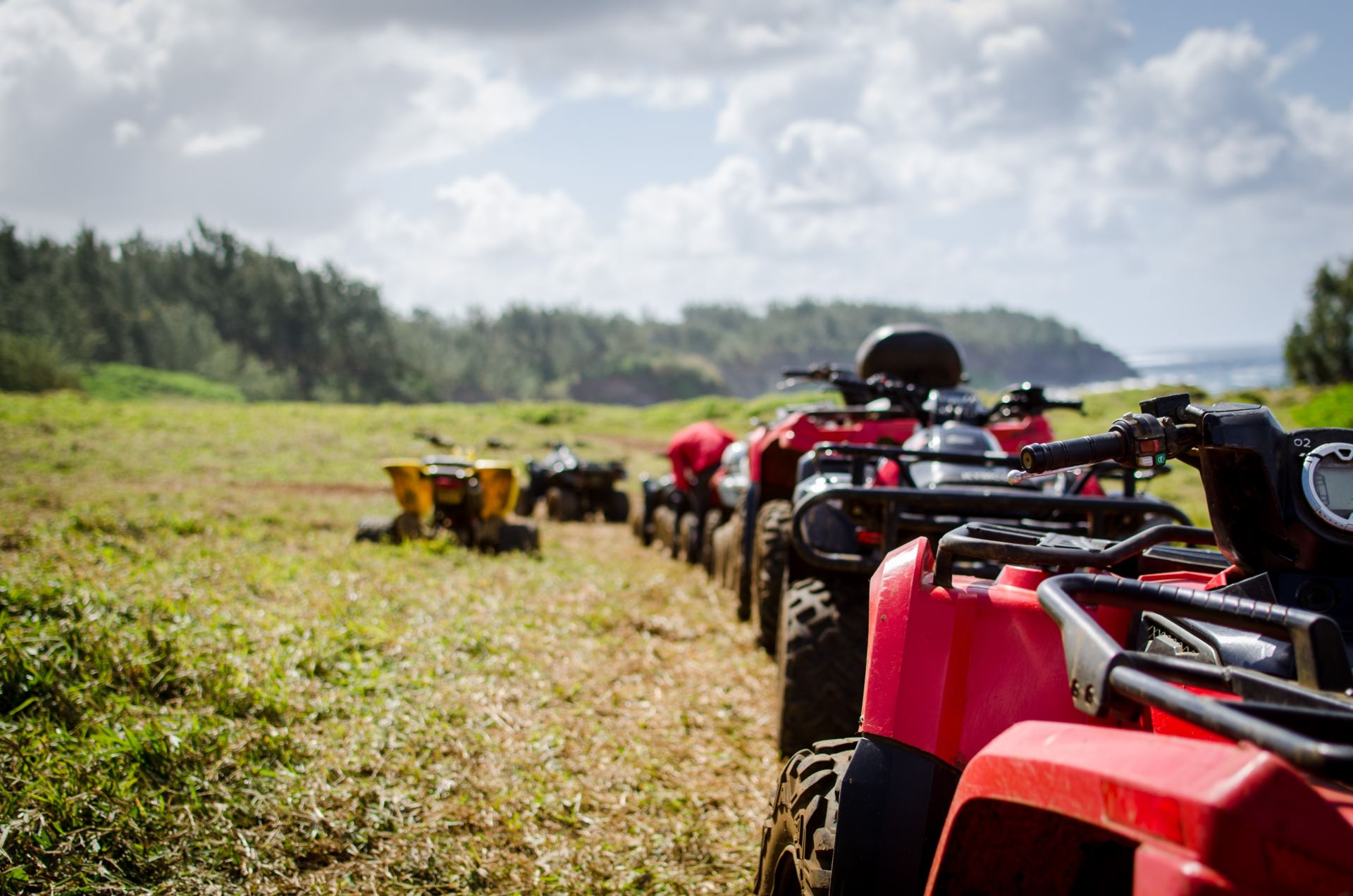
Honda and Yamaha have announced they will remove their quad bikes from the Australian market if Parliament adopts the Australian Competition and Consumer Commission’s(ACCC) recommendations to improve safety.
Quad bikes are currently the largest cause of death and injury on Australian farms. Since 2011, 130 people have been killed in quad bike accidents, with around 15 per cent of deaths involving children.
As part of its investigation into quad bike safety, the Australian Competition and Consumer Commission (ACCC) has recommended the establishment of a mandatory safety standard. The draft safety standard, which would apply to all quad bikes supplied in Australia, proposes four elements including meeting overseas standards, additional consumer information, stability benchmarks and fitting an operator (rollover) protection device (OPD).
However, Honda Australia believes the standard is “flawed, unworkable and may put farmers’ lives at greater risk” and will stop selling ATVs in Australia if it becomes law.
“No reputable company can meet the proposal because it lacks engineering and design rigour,” says Honda Australia Motorcycle & Power Equipment’s Managing Director Mr Robert Toscano. “Any company that tries to meet the standard will be open to the accusation that it is playing with farmers’ lives.”
Similarly, Yamaha engineers will not make the proposed design changes and cease selling utility ATVs in Australia should the standard be implemented.
“The science behind the draft is both faulty and selective,” says Yamaha Motor Australia Director Brad Ryan.
Nevertheless, National Farmers’ Federation Workforce Committee Chair Charlie Armstrong has welcomed the announcements by Honda and Yamaha.
“Assuming both Honda and Yamaha follow-through on their withdrawal, Australian farmers will be safer without the danger that their products currently pose,” says Mr. Armstrong.
Mr Armstrong says that Honda and Yamaha relied on misinformation in deciding to withdraw their quad bikes, including commissioned American computer modelling. The NFF also considers that these manufacturers have dismissed the consensus of various professional bodies including independent studies by Australian academics, the opinions of peak health professionals and industry bodies and the recommendations of the ACCC, which are based on over 18 months of consultation and analysis.
While Honda and Yamaha’s withdrawal would leave a hole in the Australian quad bike market, this is not necessarily a bad thing, according to Mr Armstrong.
“The void will be filled by other vehicles and manufacturers who embrace safety and are as horrified as the NFF at the frequent reports of death, and serious injury relating to quad bike use,” says Armstrong. “If this move saves just one life then it will be worth it.”
Submissions on the exposure draft mandatory safety standard recommended by the ACCC will close on 10 June. You can submit your comments or simply find out more here.
For more information on quad bike and general farm safety, check out the ACCC’s Quad Bike Safety Issues Paper here.
NEWS
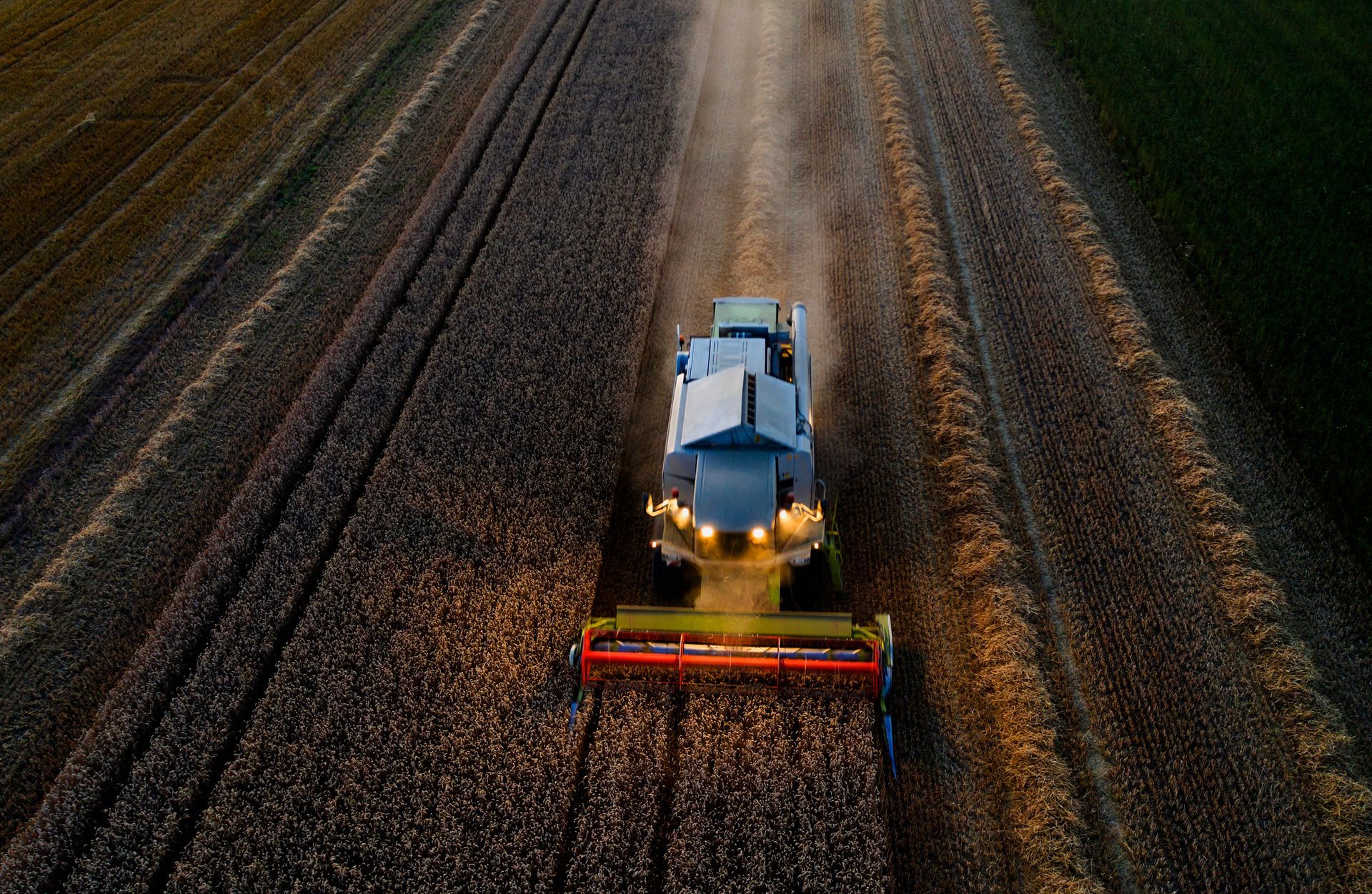
High-precision GNSS has typically been too costly and complex for all but the most critical agricultural operations, but recent RTK GNSS innovations have made centimetre accuracy scalable to all applications in Ag-Tech.

Every Aussie farmer knows that the difference between a “good” crop and a “record-breaking” one often come down to the smallest details. At BioFlora, we’ve spent years perfecting the balance of plant nutrition, and the result is IsoGreen – our powerhouse liquid formula designed to push your yields and crop taste to their absolute peak.

Plant, spray and harvest with confidence using reliable centimetre level positioning. Hexagon SmartNet provides fast, accurate RTK corrections across Australia to reduce overlaps, lower input costs and maximise productivity. With no base station required, simply connect, get a fix and get to work.
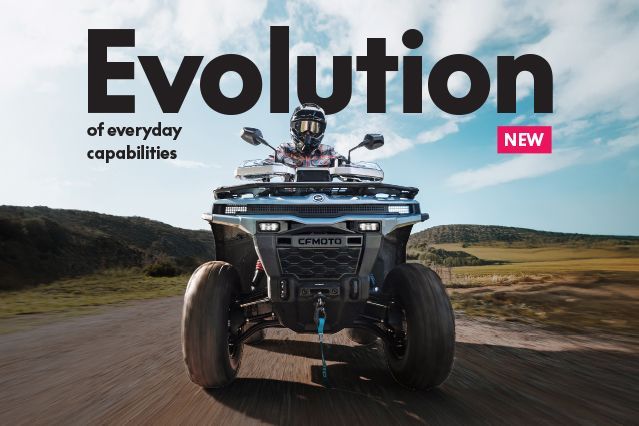
Built for the demand of Aussie farmers. Designed for every day performance.
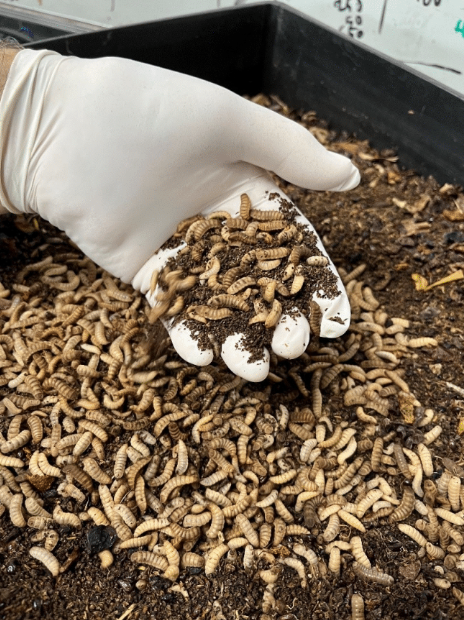
They’re wriggly black grubs more commonly tossed to backyard hens than served at the dinner table, but black soldier fly larvae could soon play a key role in building a more sustainable food system, according to new research from Adelaide University.
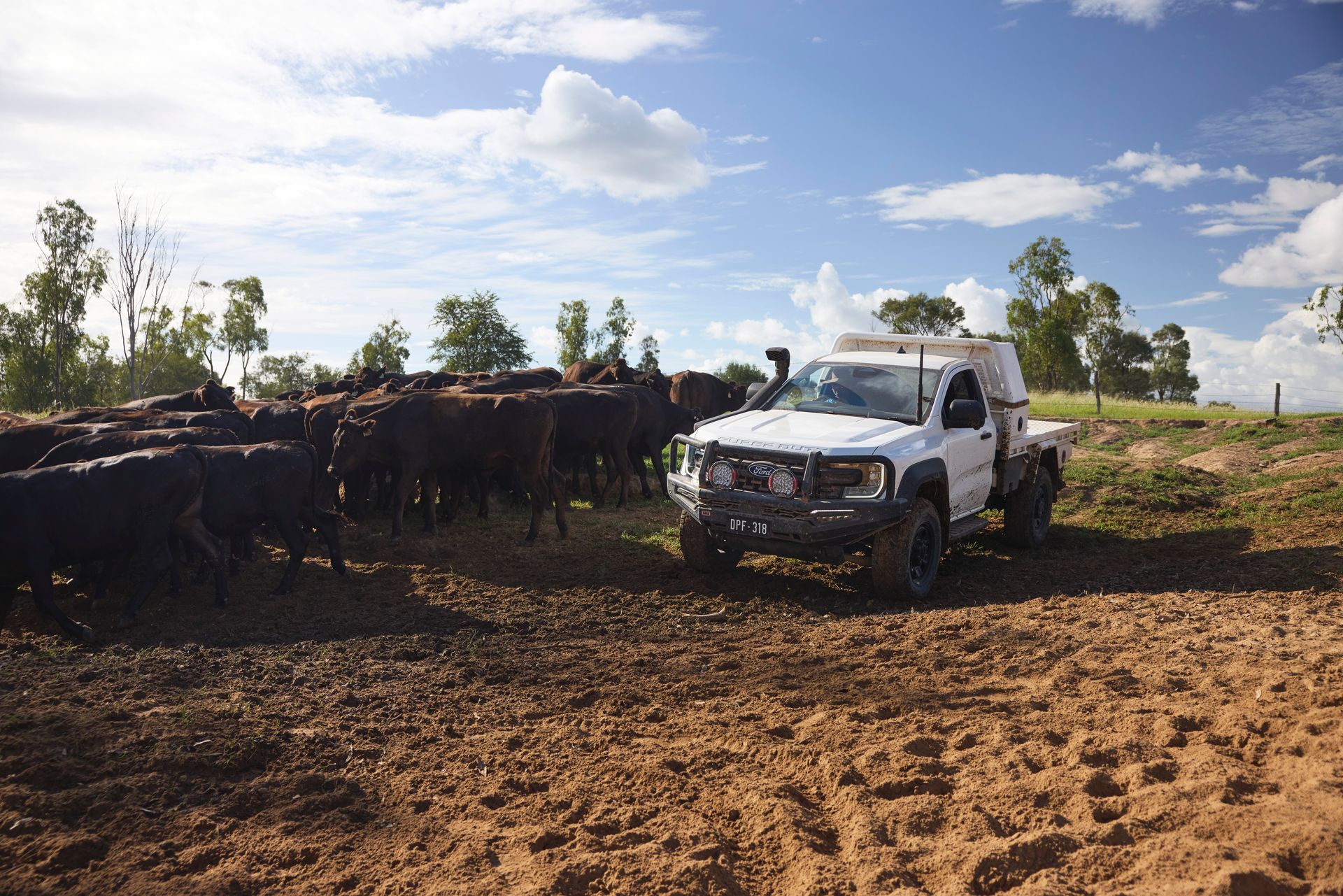
After four years of customer research and 500,000 test kilometres, Ford says the Ranger Super Duty brings farmer-driven customisation into the factory, with more towing, payload, and durability built in.