

























































1MG FlippingBooks
Sugarcane tissue culture tech could cut costs in half
Elizabeth Gracie
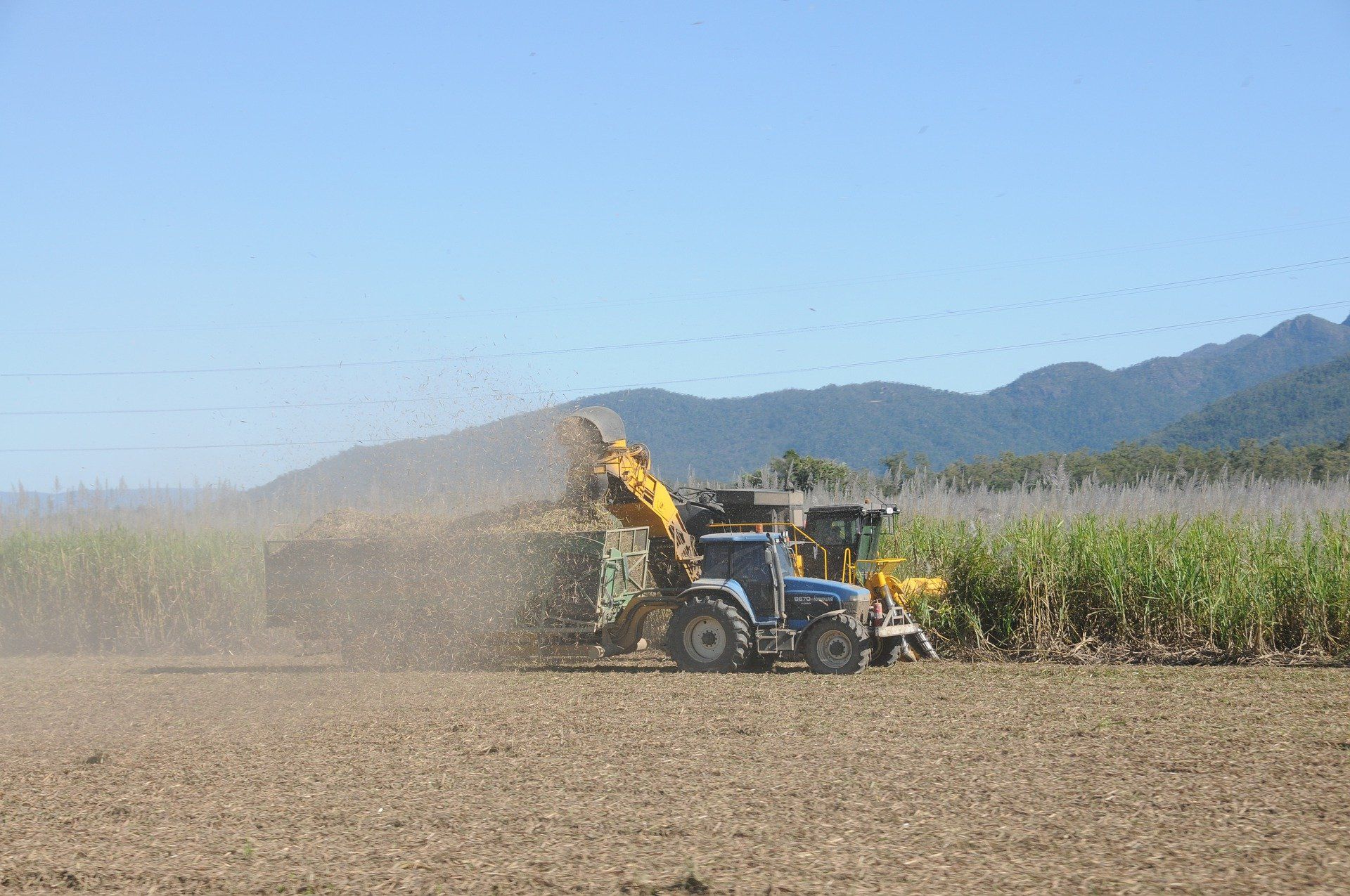
Sugar Research Australia (SRA) has partnered with Lowes TC to develop a system that automates the production of sugarcane tissue culture plants, using less laboratory chemicals and less labour.
According to SRA, the new method can reduce costs to growers by half.
As SRA Executive Manager for Variety Development and Processing, Dr. Jason Eglinton explains, “Tissue culture can provide more rapid availability for new varieties. Cheaper prices for growers with this technology have the potential to accelerate the adoption of new sugarcane varieties.”
According to the SRA, tissue culture is widely used by farmers to maintain or grow healthy plant cells and plays an important role in providing growers with rapid access to the newest varieties of disease-free sugarcane.
Lowes TC has patents pending domestically and internationally for the novel growing system. The company notes that creating the new method came with its own challenges.
Director of Lowes TC, Greg Lowe, said “We had to come up with a new type of liquid media bioreactor so it could be used with our automation technology.”
Bioreactors traditionally function to provide an efficient plant propagation system for growers and use liquid media to avoid intensive manual handling.
“It is different to existing temporary immersion bioreactors because it does not use pressurised air to move the liquid media up into the plant growing chamber but a novel ‘no pressure’ method that does not break the sterile seals of the bioreactor and does not have any moving parts, which are common issues with other systems”.
“Successful application of the bioreactor technology to sugarcane will reduce the cost of cleaning planting material and encourage greater use of tissue culture” said Dr. Eglinton.
Lowes TC has already completed commercial testing of the automation technology by using ornamental plant species which make up a major portion for the Australia tissue culture market.
They hope to soon make the technology available to other tissue culture companies who supply the sugarcane industry following further commercial testing.
NEWS
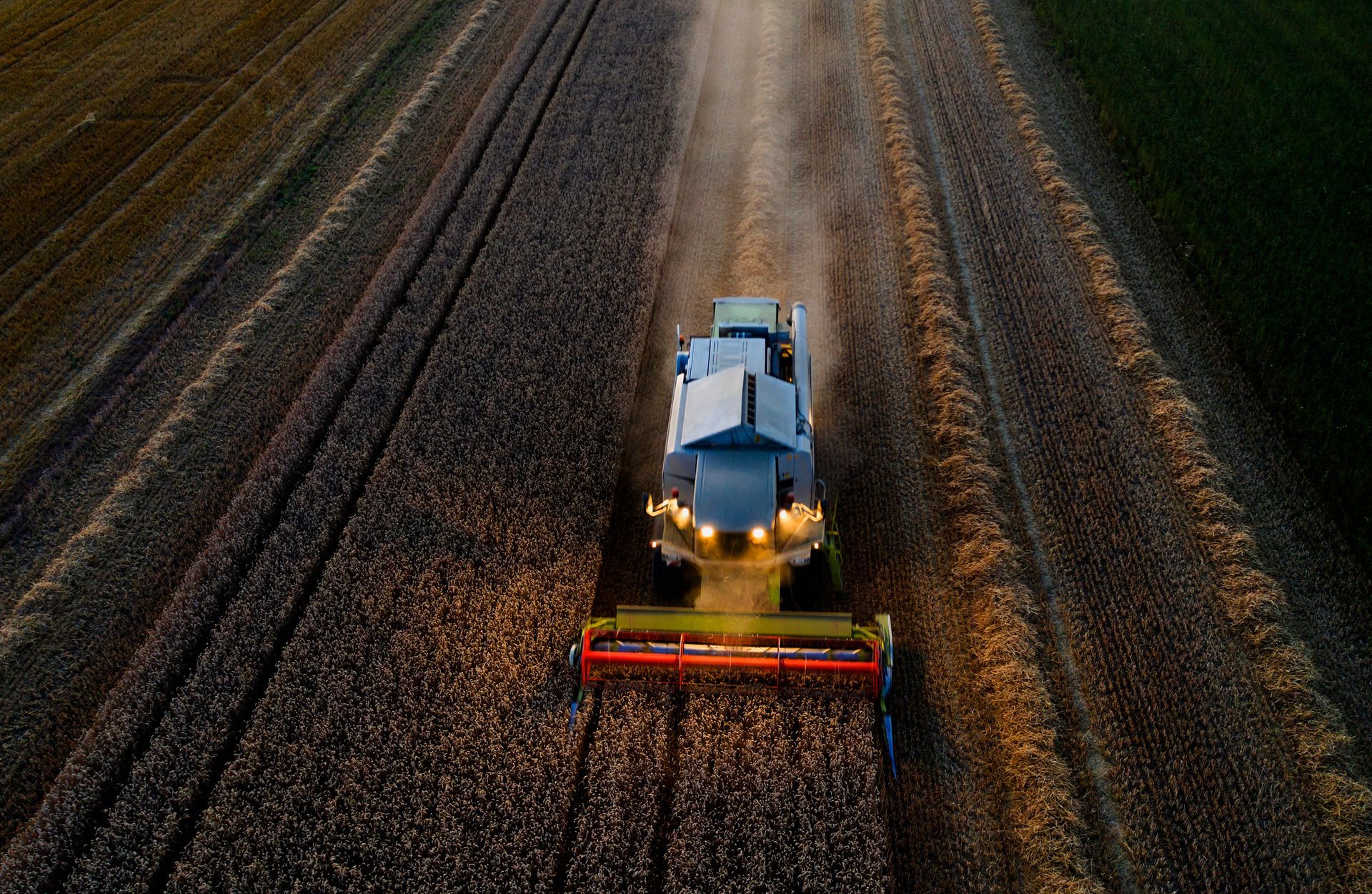
High-precision GNSS has typically been too costly and complex for all but the most critical agricultural operations, but recent RTK GNSS innovations have made centimetre accuracy scalable to all applications in Ag-Tech.

Every Aussie farmer knows that the difference between a “good” crop and a “record-breaking” one often come down to the smallest details. At BioFlora, we’ve spent years perfecting the balance of plant nutrition, and the result is IsoGreen – our powerhouse liquid formula designed to push your yields and crop taste to their absolute peak.

Plant, spray and harvest with confidence using reliable centimetre level positioning. Hexagon SmartNet provides fast, accurate RTK corrections across Australia to reduce overlaps, lower input costs and maximise productivity. With no base station required, simply connect, get a fix and get to work.

Built for the demand of Aussie farmers. Designed for every day performance.
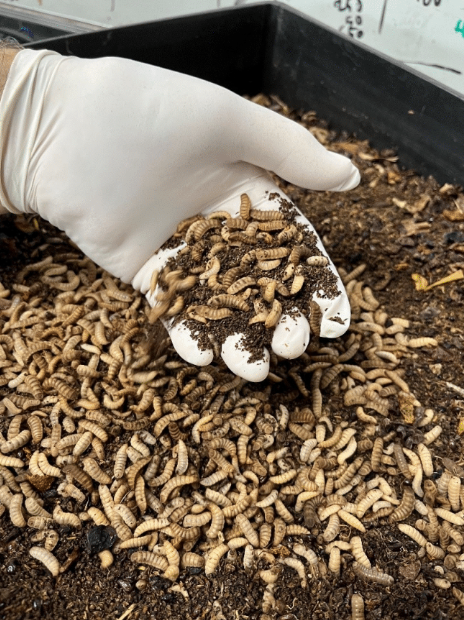
They’re wriggly black grubs more commonly tossed to backyard hens than served at the dinner table, but black soldier fly larvae could soon play a key role in building a more sustainable food system, according to new research from Adelaide University.
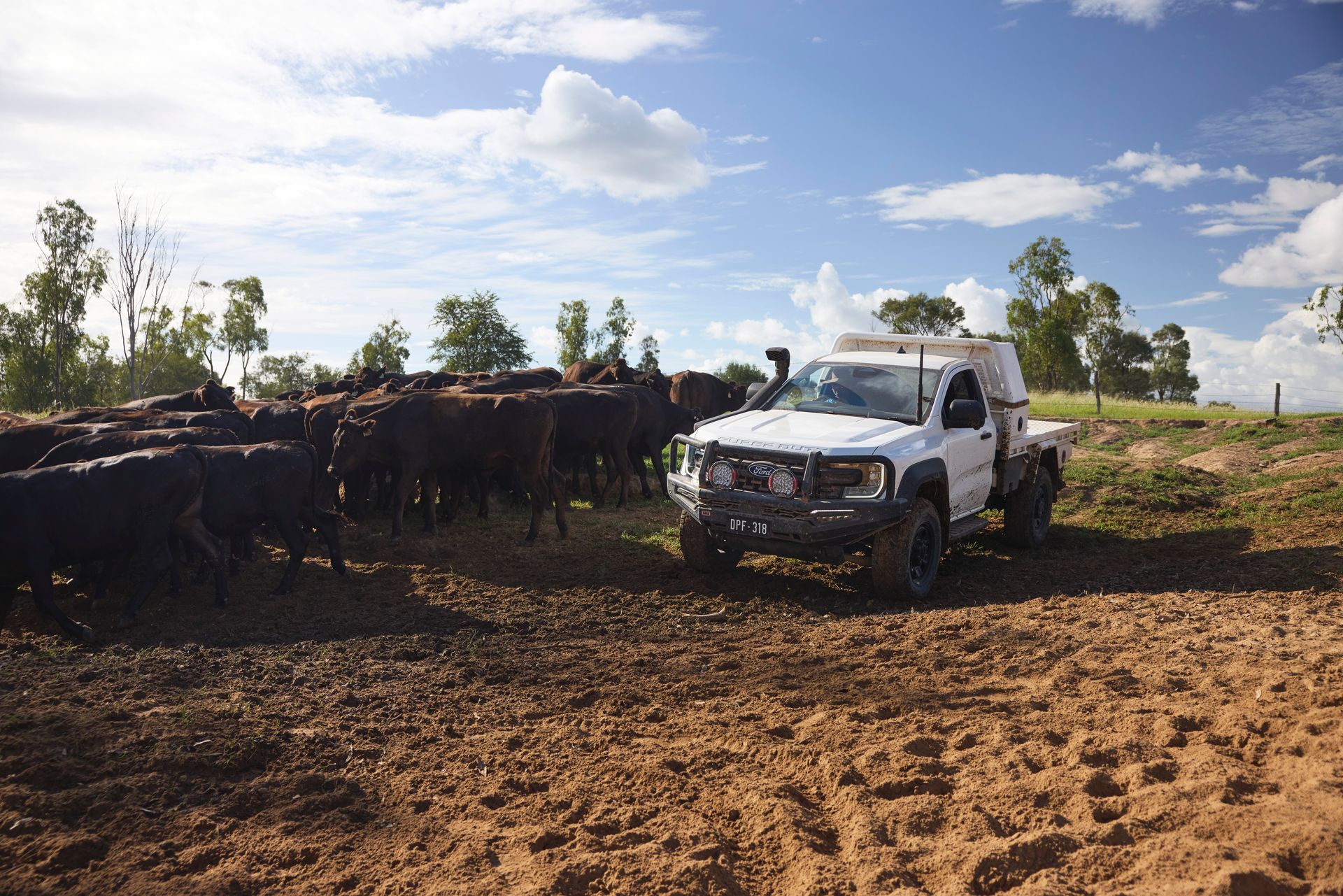
After four years of customer research and 500,000 test kilometres, Ford says the Ranger Super Duty brings farmer-driven customisation into the factory, with more towing, payload, and durability built in.