














1MG FlippingBooks
Taking the plunge
Soil monitors probe global water scarcity problem
In the context of climates changing, and the general global trend towards water scarcity and aquifers running dry, soil water management has become more important than ever before.
This is where Sentek Technologies, an Australian-born company with a presence in more than 80 countries, is working hard to meet these challenges of the future.
With headquarters in Adelaide, they are doing this by designing, developing, manufacturing, and globally distributing world-class technologies for measuring and managing soil moisture, salinity, and temperature – by measuring the ‘drinking speed’ or crop water-use.
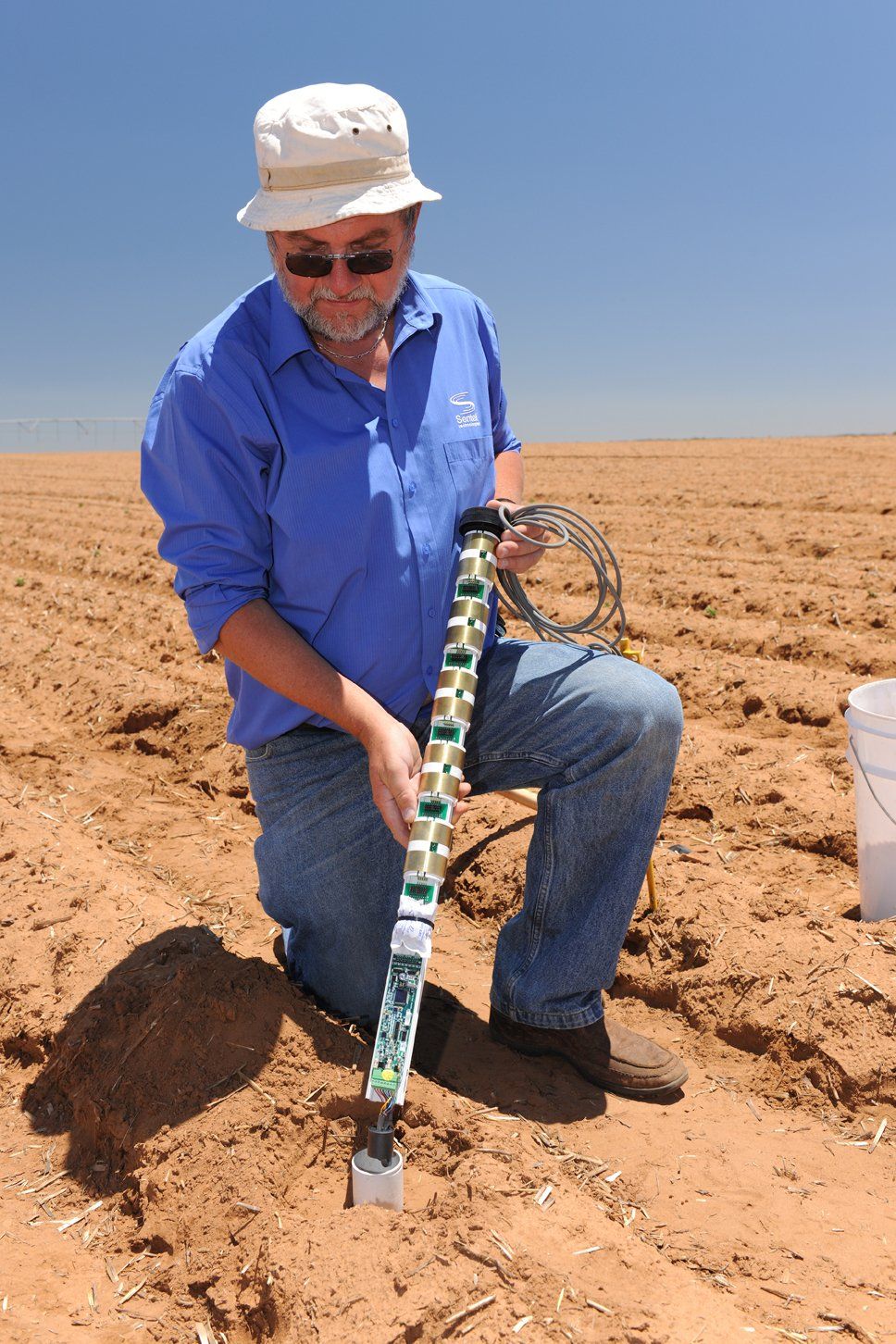
Farmers use Sentek’s unique technologies and tools – such as TriSCAN, a fertiliser/salinity, temperature, and soil water monitoring system, which takes readings on a near-continuous basis, to monitor groundwater movement, generate exceptional research data, and gain vital insights into crop water usage to make better irrigation decisions.
Sentek was co-founded in 1991 by Peter Buss after he developed a commercial irrigation scheduling service for irrigators (ICMS) for the South Australian Department of Agriculture in 1986.
This involved taking manual readings of water in soil and crops. Over time this developed into his own consultancy business.
Peter, who has a Bachelor’s degree of Engineering in International Agronomy and a Master of Science in Rural Science among other qualifications, talks of the challenges of working with data in the pre-internet age.
He used fax machines to transmit data from the probes he developed with an electronic engineer while working one-on-one with onion farmers in and around Adelaide – an example of the customer-driven approach that has led to Sentek’s continuous improvement and success.
Now he is focused on “Irrigation 4.0”, which leverages Industry 4.0 process optimisations such as the cloud, artificial intelligence, and “big data” in combination with tried-and-tested human management methods.
Other elements include remote sensing for crop measurement, weather forecasting. and irrigation system performance.
To what end? Why should farmers improve their water management?
The on-farm reasons are optimising input sources such as water, power (electricity or diesel) and fertiliser and maximising farm outputs such as yield, crop quality. and environmental sustainability. The overarching reason is to perform better irrigation management.
The statistics on agricultural water use draw into stark relief the need to find further efficiencies.
Earth’s Future, the journal of the American Geophysical Union, recently published an article saying “agricultural water scarcity is expected to increase in more than 80 per cent of the world's croplands by 2050.”
Given “agriculture irrigation accounts for 70 per cent of water use worldwide and over 40 per cent in many OECD countries,” according to the Organisation for Economic Co-operation and Development, and given it takes “about 1300 cubic metres of water to produce a ton of wheat and 16000 cubic metres of water to produce a ton of beef”, according to World Energy 46, the time is right for growers and primary producers to put more emphasis on their irrigation management strategies.
Most people tend to over-irrigate, Peter says, and this presents problems beyond water use.
Peter is a strong advocate for taking a systemic approach to fixing systemic issues when it comes to irrigation, which he says is not being discussed.
For example, over-irrigation also flushes out fertiliser from the soil below the root zone, leading to the pollution of groundwater reserves and waterways.
Disciplined water management therefore not only increases crop yields and quality but also decreases expenses on a wide variety of fronts beyond water itself.
In a throwback to Sentek’s original story, the company demonstrated its innovative precision agriculture solutions for onion, corn, cotton and soybean growers and consultants in Texas.
Thanks to their easy-to-install Drill & Drop probes, Sentek enabled the agronomy team to track root development and ensure water was delivered to the right depth without wastage through excessive drainage.
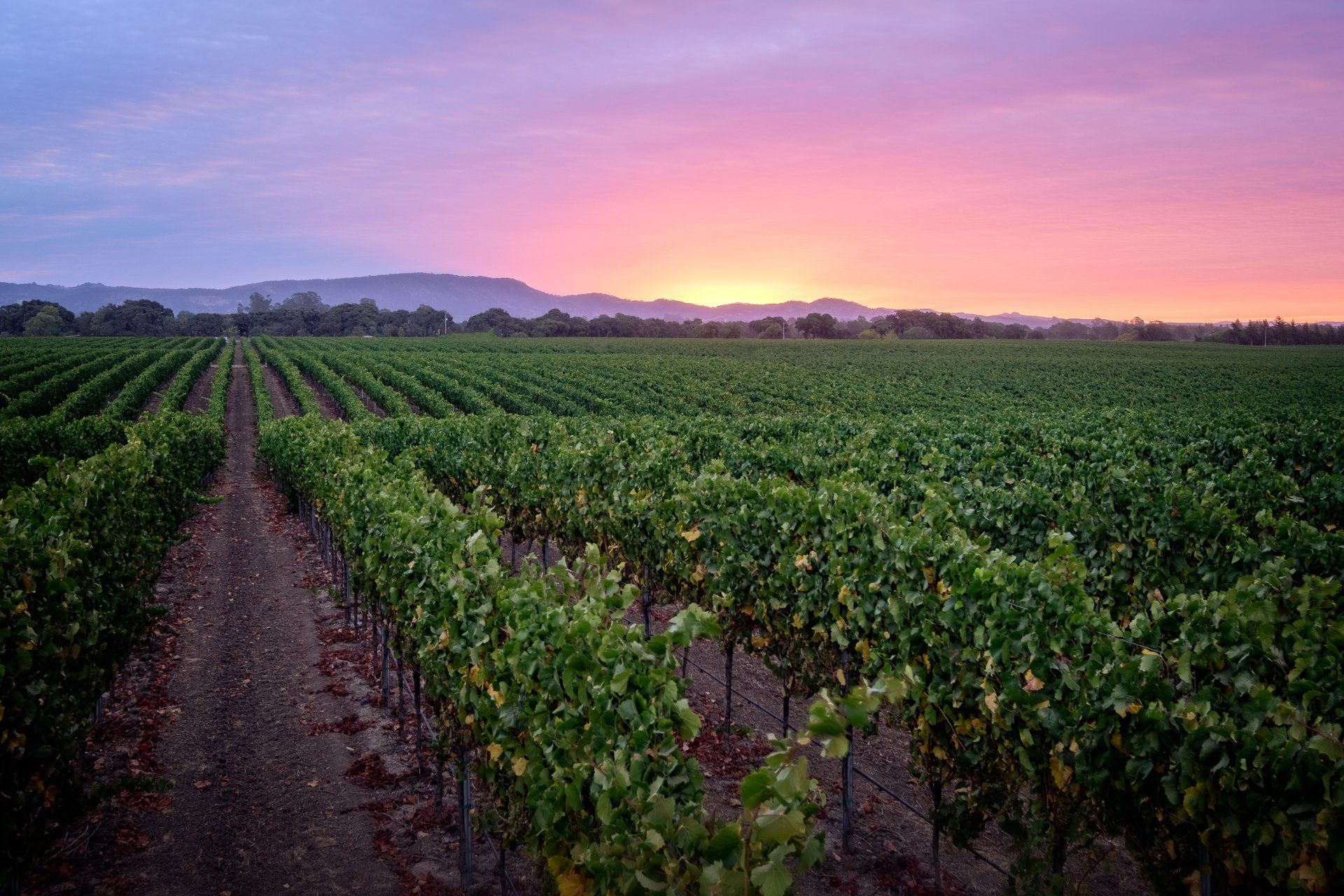
Closer to home, Sentek worked with McLaren Vale’s popular Wirra Wirra winery to measure their soil water levels precisely, including Regulated Deficit Irrigation, to achieve maximum water use efficiency, and required grape quality. The outcome enabled wine improvements to Ultra Premium grades.
Impacts are increasingly global, with over 80 percent of sales now international. This expansion, the product range and the rate of product commercialisation is reflected in the many innovation, export sales and marketing awards Sentek has picked up.
Peter Buss has put his academic experience to good use, having been involved with almost 20 published journal articles related to irrigation and soil management. An example is the 2018 paper in Acta Horticulturae that showed the benefits of using the award-winning IrriMAX software to “Visualise the water and salt distribution within the soil in 2 dimensions” among potato plants.
Sentek’s IrriMAX Live software works with any internet-connected device, and integrates soil moisture, salinity, and temperature data. The information is viewed through a range of graphs, simple to read water gauges, and a map view showing the probe locations and their irrigation priority within farm management zones.
In an article presented at the 2016 Irrigation Australia International Conference and Exhibition, Sentek’s Drill & Drop probes are used to compare how water travelled through two separate sections of turf at Adelaide Zoo – one exposed to public footfall and one sheltered from it. The probes found, among other things, that “significant overwatering (of the sections of turf) were occurring,” leading Peter and the paper’s co-authors to estimate potential water savings of up to “10.5 Megalitres of water worth around $25,000 for the year” – or 30 to 50 per cent of Adelaide Zoo’s annual water use.
Peter is also involved with the Australian Water School, having presented webinars on how soil moisture sensors such as Sentek’s can provide greater insights into crop-water-soil dynamics.
In a world where water use has come under more and more scrutiny, Peter Buss is widely credited for pioneering the use of soil water dynamics to achieve improved economic and environmental outcomes for growers. An adoption that is world-wide and growing rapidly.
NEWS
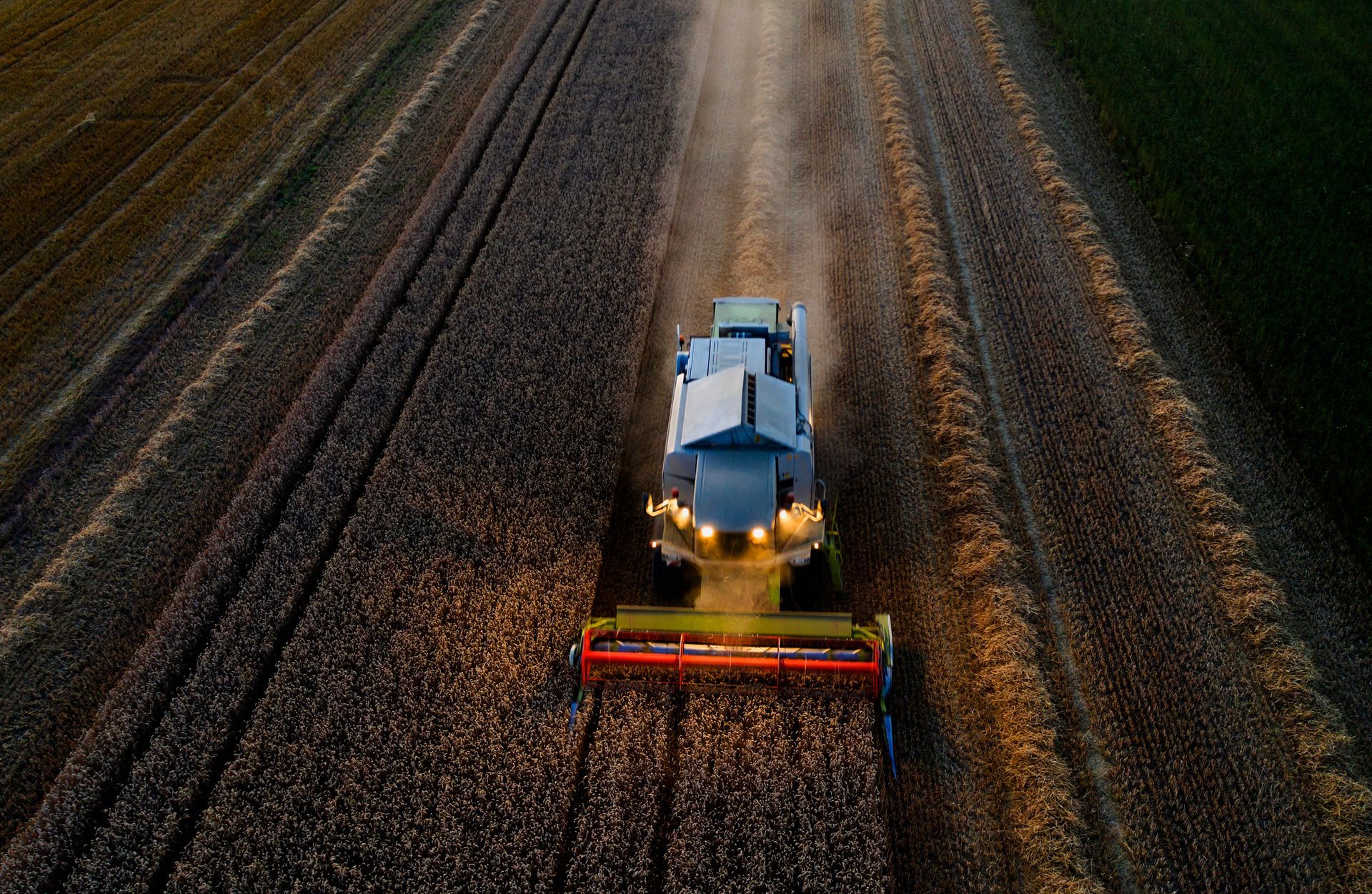
High-precision GNSS has typically been too costly and complex for all but the most critical agricultural operations, but recent RTK GNSS innovations have made centimetre accuracy scalable to all applications in Ag-Tech.
Every Aussie farmer knows that the difference between a “good” crop and a “record-breaking” one often come down to the smallest details. At BioFlora, we’ve spent years perfecting the balance of plant nutrition, and the result is IsoGreen – our powerhouse liquid formula designed to push your yields and crop taste to their absolute peak.
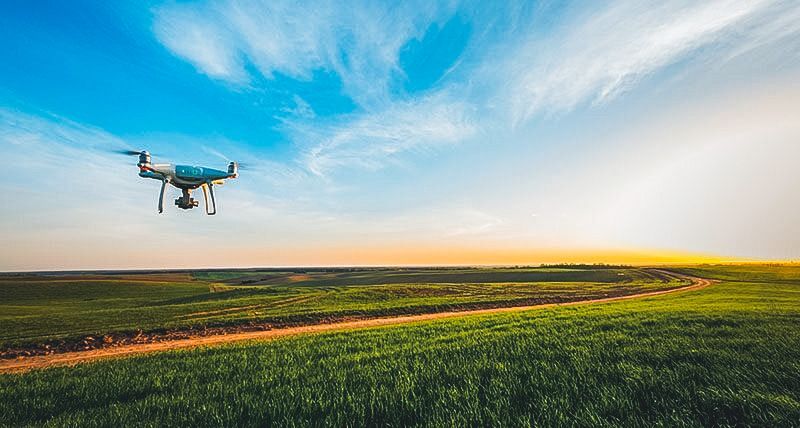
Plant, spray and harvest with confidence using reliable centimetre level positioning. Hexagon SmartNet provides fast, accurate RTK corrections across Australia to reduce overlaps, lower input costs and maximise productivity. With no base station required, simply connect, get a fix and get to work.

Built for the demand of Aussie farmers. Designed for every day performance.
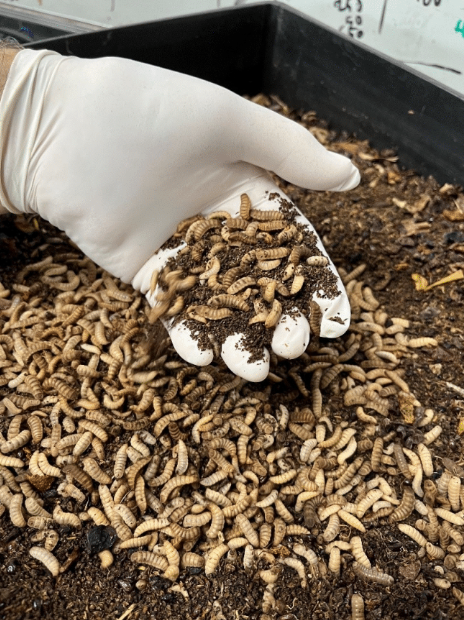
They’re wriggly black grubs more commonly tossed to backyard hens than served at the dinner table, but black soldier fly larvae could soon play a key role in building a more sustainable food system, according to new research from Adelaide University.
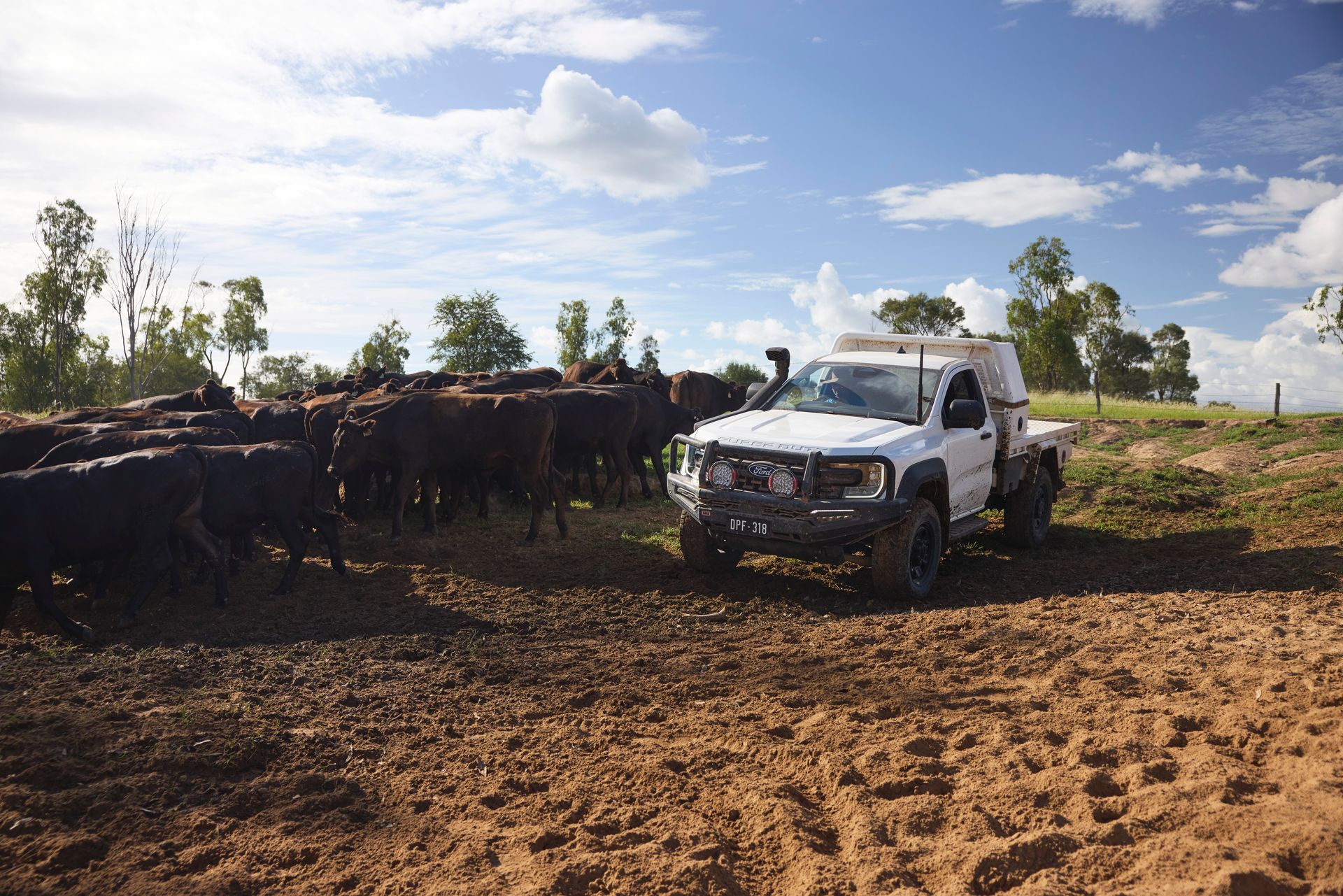
After four years of customer research and 500,000 test kilometres, Ford says the Ranger Super Duty brings farmer-driven customisation into the factory, with more towing, payload, and durability built in.