



























































1MG FlippingBooks
The importance of drought-proofing Aussie farms: An interview with Major-General Michael Jeffery
Website Editor
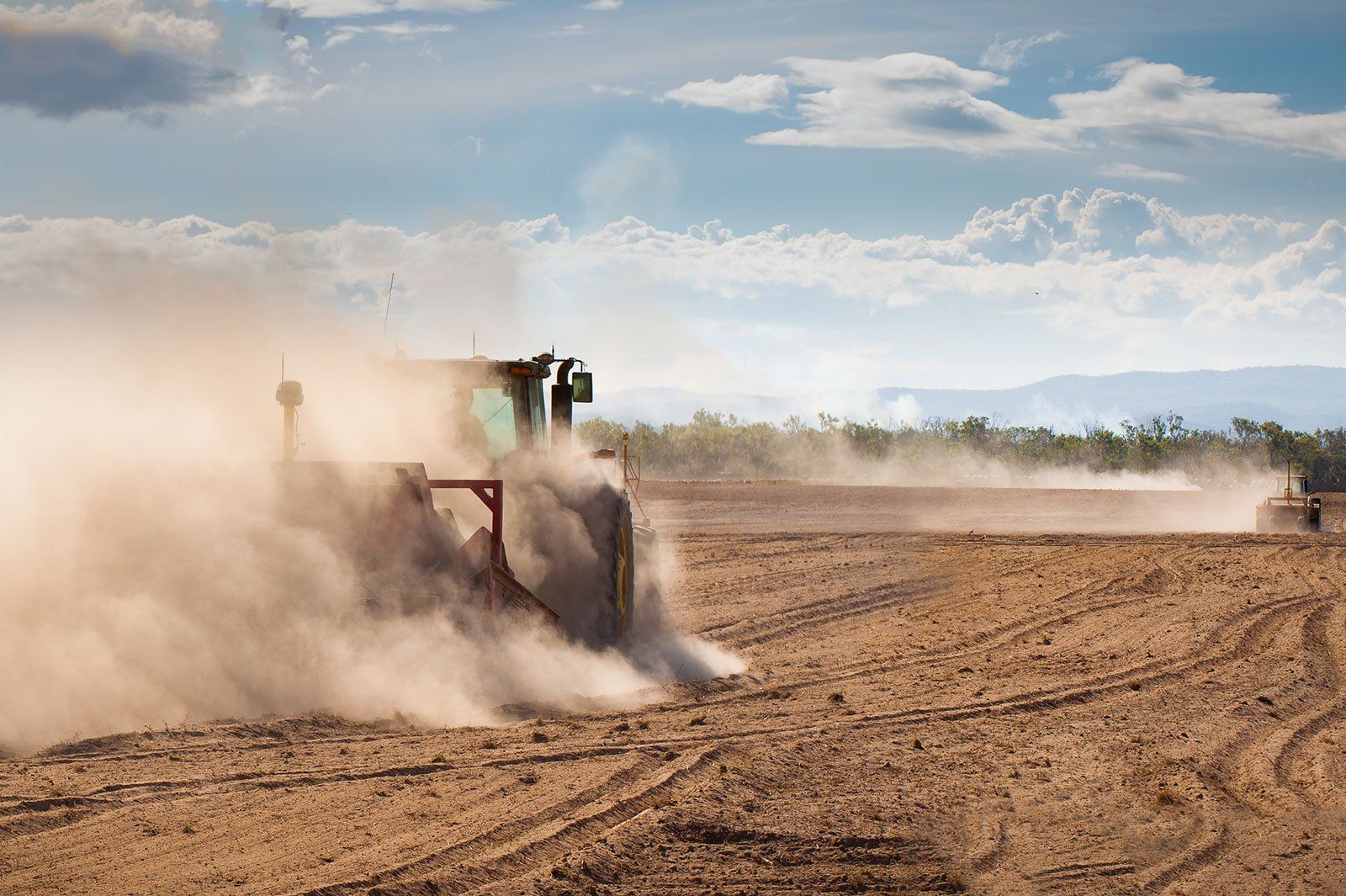
We recently spoke to Major-General Michael Jeffery, former Governor General and now Australia’s National Advocate for Soil Health as well as the Patron of The Australian Farmer project. With much of eastern Australia experiencing severe drought conditions, General Jeffery expresses his concern for various agricultural practices currently used by farmers nationwide.
“Many of the farmers who are experiencing very bad times in drought are perhaps having that occur because of the practices they have been using for many years in managing their landscape,” he says.
He explains that successful Aussie farmers understand how to maintain balancing the three key aspects of good agricultural management: soil, water and plants.
“What we’re really talking about here is an integrated management system. If you mess up any one of the three, the other two will fail as well,” says General Jeffery. “To a degree, that’s what’s happening with some of our farmers who, through no fault of their own, are not managing those assets adequately because they don’t know how or haven’t been taught.”
General Jeffery stresses the importance of having microbe-rich soils with adequate levels of carbon that can maximise water filtration to sustain healthy plant growth. Australian soils, which previously had soil carbon levels of roughly three to four per cent (where one gram of soil carbon can facilitate the holding of up to eight grams of water and vice versa), are now experiencing soil carbon levels at one per cent or less.
“So many farmers are relying purely on the rain they get, and the amount of water in their dams or streams,” he says. “The thing that some of them are missing, is that much of the rain that is falling on our agricultural landscapes is evaporating straight up into the air, or running off, because it cannot get into the soil.”
In 2012, Soils For Life published a series of experimental case studies looking at the impact of sustainable and regenerative practices, with reports finding that 50 per cent of the rainfall on the Australian landscape is lost due to poor soil structure and insufficient groundcover. When asked whether this rate has improved since, General Jeffery points out that the drastic loss of soil carbon has not helped to improve rainfall retention in the soil.
“Rain cannot get into the soil because the soil is either lacking in soil carbon, or it’s been compacted, or the vegetation has been removed and the water runs away quickly before it can get into the soil.”
By ensuring a mixture of plants make up the top cover, rather than a mono-culture (such as the continual planting of wheat or a single crop), farmers can better sustain good microbe health in the soil and therefore enhance soil fertility. Generally, the best-performing farmers in Australia have taken actions towards maintaining a mixed top cover year-round.
“The crop rotation could be improved even more if farmers used perennial grasses, where you can get strains that grow during our traditional summer months,” says General Jeffery. “In other words, you then get green cover during summer and the normal green during the winter with the crops you are sowing.
“That way, you get to keep top cover all year round, photosynthesis going all year round, water retention to the maximum degree and, if you’ve got a mixture of grasses, you’re also improving soil health all year round.”
He also identifies a fourth ingredient critical to agricultural management: managing the grazing patterns of cattle or sheep.
“A good farmer or grazier must be able to judge very accurately what the food-carrying capacity of his grasses in each paddock is, and to be able to adjust his grazing and stocking levels accordingly,” says General Jeffery.
By setting up drinking troughs where stock only need to walk a couple of kilometres for a drink, farmers can graze their paddocks evenly. Correctly grazed pastures – that is, when the grass is left at about ten centimetres high – can then be left to rest for designated periods of time. It is also important to bring in the right type of dung beetle to get cattle dung back into the soil as quickly as possible.
According to General Jeffery, the key to changing the prevailing mindset about drought-resisting Australian farms is for schools to invest more in agricultural education. He recommends that every primary and high school in the country should set up a communal vegetable garden, supported by a mandated agricultural curriculum and properly trained agricultural teachers.
“By the time every child reaches 16, he or she should have a good knowledge of how soil, water and plants function to produce healthier animals and healthier food,” he says. “That way, we’ll also develop a much closer linkage with our farmers, and more kids will take up farming and agricultural science.”
By: Carla Wong
NEWS
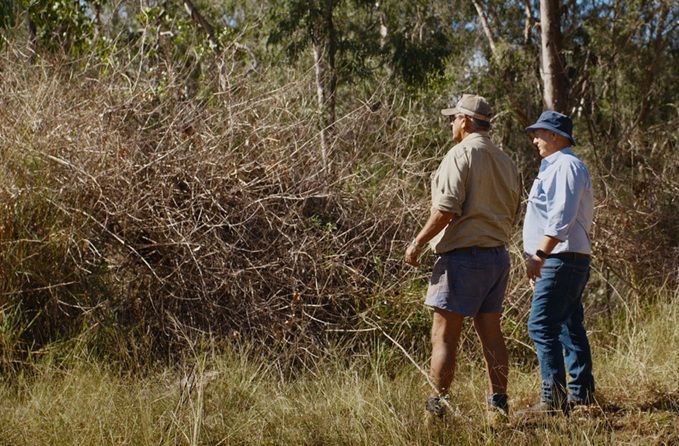
Invasive woody weeds steal your pasture. Method helps you take it back.
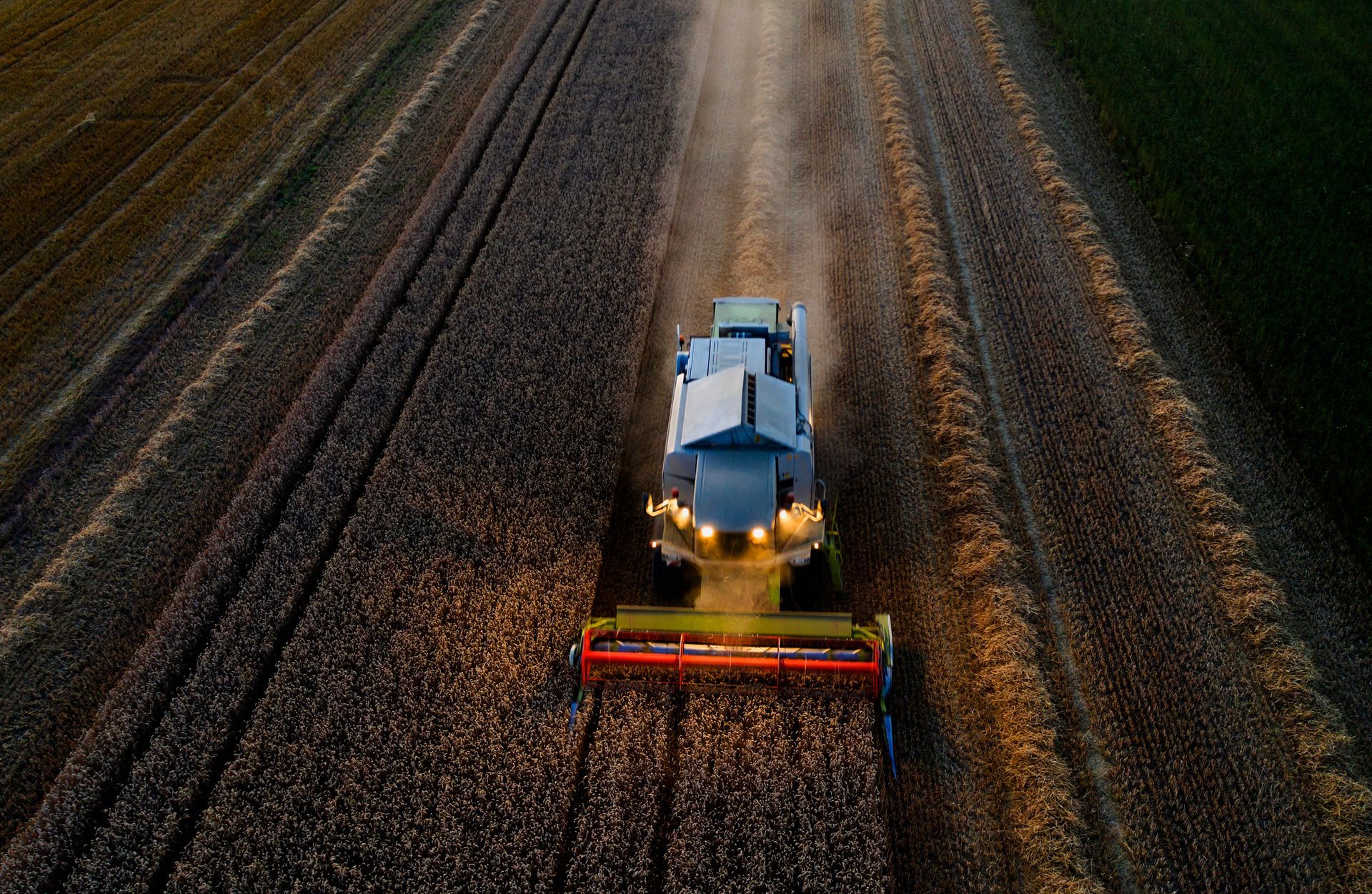
High-precision GNSS has typically been too costly and complex for all but the most critical agricultural operations, but recent RTK GNSS innovations have made centimetre accuracy scalable to all applications in Ag-Tech.
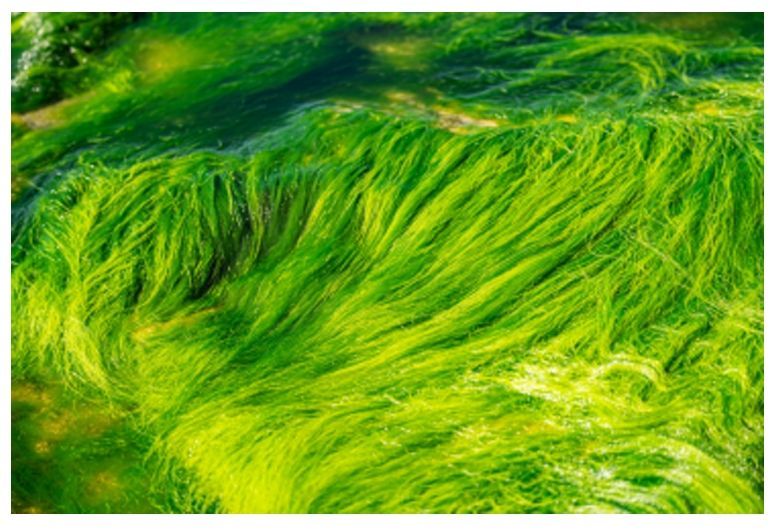
Every Aussie farmer knows that the difference between a “good” crop and a “record-breaking” one often come down to the smallest details. At BioFlora, we’ve spent years perfecting the balance of plant nutrition, and the result is IsoGreen – our powerhouse liquid formula designed to push your yields and crop taste to their absolute peak.
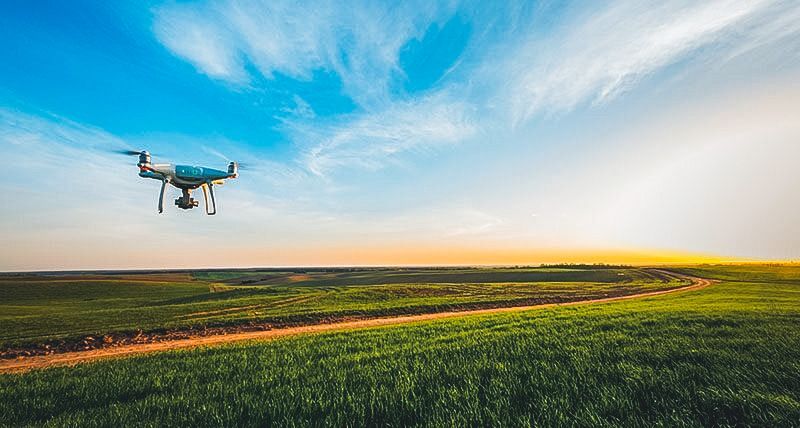
Plant, spray and harvest with confidence using reliable centimetre level positioning. Hexagon SmartNet provides fast, accurate RTK corrections across Australia to reduce overlaps, lower input costs and maximise productivity. With no base station required, simply connect, get a fix and get to work.

Built for the demand of Aussie farmers. Designed for every day performance.
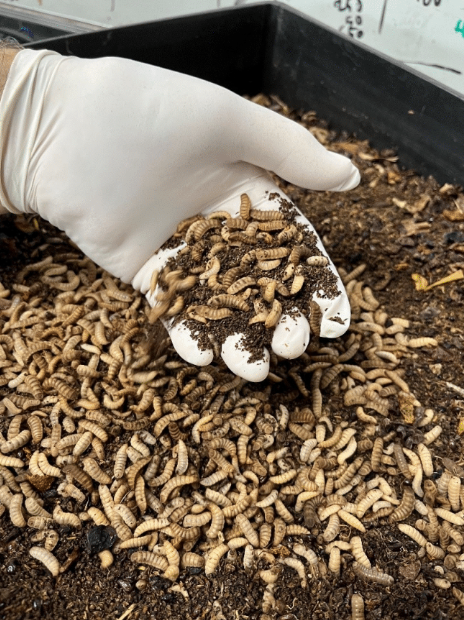
They’re wriggly black grubs more commonly tossed to backyard hens than served at the dinner table, but black soldier fly larvae could soon play a key role in building a more sustainable food system, according to new research from Adelaide University.